make preferable
Some research, which is worth reading, The Chart reports.
1) Nurses need some rest
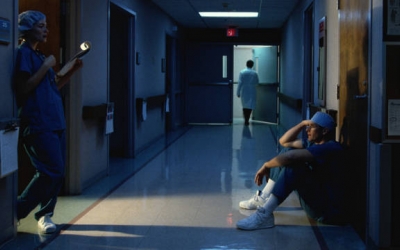
An overworked nursing staff raises the risk of patients dying, a study of European Union hospitals concludes.
Adding one patient to a nurse’s workload raises the chances of a patient dying by 7%. But a 10% increase in nurses with bachelor’s degrees reduced those odds by the same amount, researchers from several EU countries reported in The Lancet.
“Nurse staffing cuts to save money might adversely affect patient outcomes,” they concluded.
The study examined discharge data from more than 400,000 patients in nine European countries.
2) Mice skin cells transformed into liver cells
In a development that could give hope to patients awaiting transplants, researchers at the University of California-San Francisco and its affiliated Gladstone Institute have been able to reprogram skin cells into working liver cells in mice.
“In the future, our technique could serve as an alternative for liver-failure patients who don’t require full-organ replacement,” UCSF scientist Holger Willenbring said in announcing the results.
Willinbring and Gladstone senior investigator Sheng Ding cultivated the cells in a petri dish, then “coaxed” them into growing into liver cells through another set of genes and chemicals.
3) Twins’ brains show same marks of Alzheimer’s
Twins who died after suffering from dementia and Alzheimer’s disease had similar areas of damage to their brains, a project by researchers in California and Sweden concluded.
The scientists studied the brains of seven pairs of twins who died after years of diagnostic tests - among them the brains of identical twins who died at age 98 after being diagnosed with Alzheimer’s. The results support previous findings that genetics may determine how vulnerable someone is to Alzheimer’s and other conditions, said University of Southern California psychologist Margaret Gatz, who led the study.
"We looked not just at the hallmark indicators of Alzheimer's, but at all the other damage in the brain. Across the whole array of neuropathological changes, the identical twins appeared to have more similar pathologies," Gatz said in announcing the findings.
4) New knowledge literally reshapes your mind
University of British Columbia researchers have found that learning brings together a fatty acid and a brain protein that combine to connect brain cells - a finding that may provide an explanation for some mental disabilities.
And it’s the first time scientists have described the role of that protein, known as delta-catenin, in the process of forming memories.
Animals who were exposed to new environments had almost twice the amount of modified delta-catenin in their brains, co-authors Shernaz Bamji and Stefano Brigidi reported. Learning more about the role the protein plays in building brain cells could help understand how degenerative illnesses like Alzheimer’s and Huntington’s Disease work, they say.