make preferable
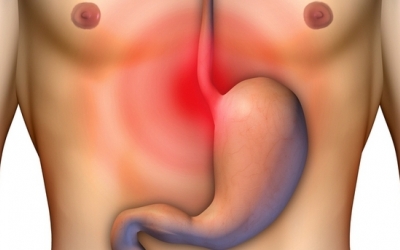
Popular heartburn medicines may cause heart conditions, according to researchers from Houston Methodist Hospital. The drugs in question are proton pump inhibitors, or PPIs for short, such as Prevacid, Prilosec, and Nexium. These are some of the pharmaceutical industry's biggest-selling medications.
Earlier research found that among people who already have heart disease, PPIs may increase the odds of a second heart attack. But the new study found a side effect that seems to affect even healthy people. When PPIs block production of stomach acid, they also constrict blood vessels, which can lead to high blood pressure and a weakened heart.
John Cooke, M.D., the study's principal investigator, recommends that anyone who takes PPIs discuss with their physician if they need to be on these drugs.
"If something is needed for the stomach, a good alternative would be the H2 antagonists like ranitidine," he tells Newsmax Health. (Ranitidine is the generic form of Zantac and Tritec. Tagamet and Pepcid are other H2 antagonists.)
The mildest and fastest-acting heartburn remedies are over-the-counter antacids such as Tums or Mylanta. They contain calcium or magnesium to neutralize acid in the stomach.
Physicians often view heartburn as a sign that the overall digestive system is not working as it should.
An integrative physician in Los Angeles, Dr. Steven Rosenblatt recommends taking these steps to restore good digestion:
Take time to chew food thoroughly and don't rush through meals.
Avoid preservatives, because the human body is not equipped to break them down.
Take vitamin C (1,000-2,000 mg daily) and fish oil (1-3 grams daily).
Take an enzyme supplement to help maintain optimum levels of stomach acid. Take one dose about 30 minutes before each meal.
Take probiotics. Take a probiotic supplement or eat yogurt with live cultures daily