make preferable
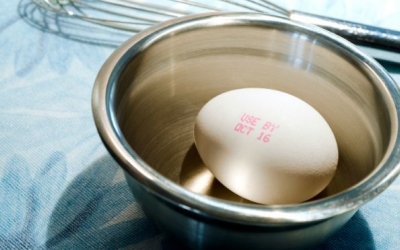
Expiration dates look threatening. But sometimes, food can be perfectly good a day, a week, a year, or even multiple years after the numbers branded onto a package, reports Fox News.
In fact, Doug Rauch—the former president of Trader Joe’s supermarkets—is turning “expired food” into a business of his own. Come May, he’s opening a grocery store in the Boston area called The Daily Table—it’ll be a market where all the items have one thing in common: They’re past their “sell-by” date.
But before you turn up your nose, know this: “The terminology of shelf life labeling can be confusing,” explains Men’s Health nutrition expert Alan Aragon, M.S.
But how do you really know if a food is safe to eat? It’s tough to say because it’s a tough topic to study.
A general rule of thumb: “The more refined and processed a food is, the longer you can keep it past the expiration date,” says Aragon. Meats—especially processed ones like deli sandwich meat, hot dogs, and sausages. “You don’t want to eat these past the expiration date,” Aragon says.
Below, Aragon outlines several food types and how long you can trust them—even after an expiration date says they’re bad.
Canned goods: Most expiration dates on foods in cans range from 1 to 4 years—but keep the food in a cool, dark place and the cans undented and in good condition, and you can likely safely double that shelf life from 3 to up to 6 years.
Frozen foods: They’re much like canned goods: pretty much expiration-proof. The exceptions? Meat.
Eggs: Here’s the barometer: Put an egg in a bowl of water. If it floats, the bacteria count is too high and unsafe too eat. Bacteria produces gases in high numbers, causing the egg to float, showing you it’s gone bad.
Pasta: Pasta is a dry good that is hard to spoil—it has no water content. As long as it doesn’t smell odd, you can keep pasta longer than the expiration date.
Bread: You can keep it dramatically longer than the date on the box if you put it in the fridge or freezer. As long as you don’t see mold, it’s good.