make preferable
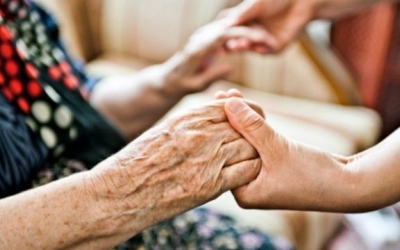
Rusty Hammer, 55 had a rare, aggressive form of leukemia. He thought hospice was a place you go to die. He thought it meant giving up, reports Fox News.
Misconceptions like these are all too common. Although 1.5 million Americans a year die in hospice care— 44 percent of all deaths— many people who could benefit never receive these services or enroll too late because of fears and myths about what hospice is and does.
Fran Smith's new book, Changing the Way We Die, co-authored by Sheila Himmel, lifts hospice out of the shadows. They explore its compassionate, holistic approach to end-of-life care through the stories of real patients like Rusty Hammer, their families and their doctors.
Here the authors debunk the most common myths about this vital service:
Myth: Hospice means there’s nothing more that doctors can do for you.
Truth: Hospice physicians are experts in pain management, symptom control and other techniques to relieve suffering. The hospice team also includes nurses, aides, a social worker, a spiritual care provider and often, volunteers.
Myth: Hospice is only for cancer patients.
Truth: That was the case when hospice started 40 years ago, but today more than half of hospice patients have Alzheimer’s disease, congestive heart failure, end-stage chronic diseases and other illnesses.
Myth: Hospice is for the very last weeks or days of life.
Truth: Under Medicare, Medicaid and most private health insurance, hospice is available to patients with a terminal illness and a life expectancy of six months. If patients outlive that they can often stay on hospice care or go off and come back when they need it. People sometimes live longer than expected because they get such good comfort care by a team of professionals who view the patient as a person, not as a disease.