make preferable
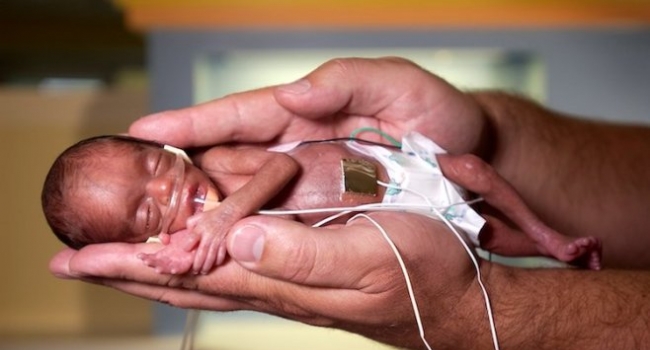
World Prematurity Day is observed on 17 November each year to raise awareness of preterm birth and the concerns of preterm babies and their families worldwide.
The first international awareness day for preterm birth on 17 November was created by European parent organizations in 2008. It has been celebrated as World Prematurity Day since 2011.
Medically, the term prematurity refers to the birth of a baby less than 37 weeks after the mother's last normal menstrual period (gestational age). It is also known as preterm birth or premature birth. Premature infants are often referred to as preemies or premmies.
Each year, about 15 million babies – which is about 10% of all babies – are born prematurely around the world. Diabetes, high blood pressure, smoking, and obesity increase the risk of giving birth prematurely.
Despite continuing advances in the medical treatment of preemies, they have a higher mortality rate than babies born at a later stage of the pregnancy. Premature infants are also at a greater risk of being afflicted with a number of disorders and diseases.
In addition to the specific health and developmental requirements of preemies, the parents and family members of prematurely born babies often need emotional and psychological guidance.
World Prematurity Day is not an official public holiday, so businesses, schools, and government offices are open. Action and support groups organize local events and media campaigns to raise awareness about premature birth and to inform the public about ways to provide support to family members of preemies.