make preferable
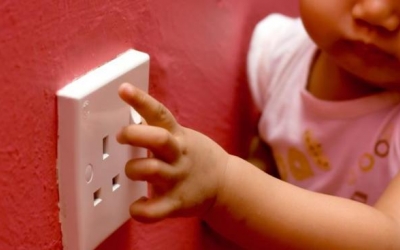
It’s impossible for a parent to supervise their children 24/7, and kids often turn a deaf ear to their parents' long-winded orders of what not to do. Research suggests that the key to keeping children safe relies on the parents revising the way they approach the danger with their child, reports Medical Daily. Based on a new report, when parents explain the dangers of a situation rather than simply telling them not to do it, the child will be most likely to listen. Childhood death from accidental injuries is a serious problem and through studying the different ways to approach children on the subject of danger, researchers hope to help reduce the numbers of fatal accidents.
Jodie Plumert, a psychologist at University of Iowa, and her co-researcher Elizabeth O’Neal observed how parents and children interacted in regards to dangerous situations. Using 63 mothers and their children, aged 8 or 10, the researchers showed both mother and child various photographs of children in dangerous situations. These situations varied in levels of danger, such as trying to split wood with an axe or skateboarding down a driveway. Separately, the moms and kids were asked to rate how dangerous the situation was on a scale of one to four. Afterward, mothers and children were reunited and asked to come up with a mutual safety rating. These conversations were recorded. Most talks began with the mothers asking for the child’s opinion on the situation. She would then explain the situation to the child in an effort to point out the possible implications from the dangerous situation. For example, in a photograph of a sleeve hanging over a stove, the mother would point out that in this instance, the sleeve could potentially catch fire.
Nearly a third of the time, the parent and child would initially disagree over the danger in the situation. However 80 percent of the time after speaking with their parents the children would change their opinion on the posed threat. “The parent is really able to talk to the child about why they think something is dangerous,” Plumert said, according to Live Science, highlighting that these areas of disagreement are actually excellent opportunities for learning.