make preferable
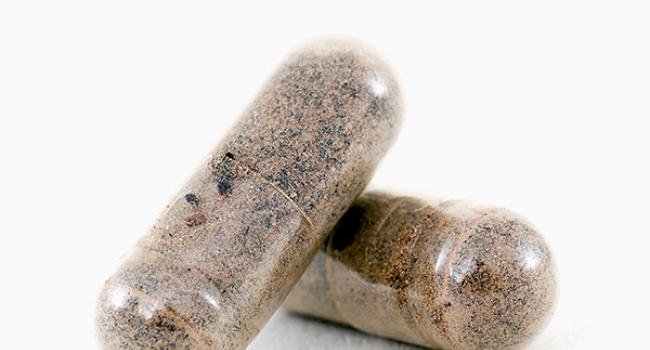
Australians struggling with their weight are turning to a diet which involves ingesting a compound found in the placenta and urine of pregnant women.
HCG, or human chorionic gonadotropin supplements were popular in the 1970s to aid weightloss.
Now a trusted obesity expert has warned that some weightloss clinics are continuing prescribing customers with the supplement and spruiking low calorie diets to accompany them, something be believes is a health risk.Professor John Dixon, the head of clinical obesity research with the Baker IDI Heart and Diabetes Institute in Melbourne, said the HCG diet didn't work.
'It's generally a scam,' he told Daily Mail Australia.
'Multiple trials have been done and shown it doesn't generate weight loss, it doesn't generate a sense of wellbeing and it doesn't suppress appetite.'
Elizabeth Maher, a public relations manager, has tried the diet herself.
She said the HCG diet supplement - which she purchased online and took in the form of homeopathic drops - left her feeling tired and she struggled to keep the weight off.
'I lost a lot of weight very quickly, maybe seven kilos, but as soon as I took my eye off the ball I put it on and more,' she told Daily Mail Australia, explaining she was also eating only 600 calories a day and drinking 'feral' tasting herb mixes on the plan.
The 39-year-old Canberra woman's weight dropped from 85 kilos but within a few weeks, she weighed more than she did before starting the controversial diet.
'I felt good when I was losing the weight,' Mrs Maher said.
'Not so much when I stacked it back on and hit the 90 kilo mark.
'It messed with my metabolism - 600 calories a day obviously isn't great for your body.'
Professor Dixon said HCG supplements were a placebo that had no effect on someone's health.
'It's actually the thing the generates a positive pregnancy test so if you want human chorionic gonadotropin you're either going to make the hormone artificially or you're going to get it from pregnant women's urine,' he said.
'It's a hormone from the placenta.'
But he said 1970s-style low calorie diets, often complemented with HCG supplements, were a major health risk because they involved cutting out carbohydrates and protein.
'Some of the methods used in the 70s and 80s were very dangerous. It led to electrolyte problems, kidney issues and even some deaths,' Professor Dixon said.
He said a series of randomised trials done during the 1990s had discredited HCG diets.
'They concluded there's no scientific evidence HCG is effective for the treatment of obesity,' Professor Dixon said.
However, Gold Coast lawmaker Rob Molhoek, 57, said the diet, based on taking HCG drops, had helped him lose eight kilos in four weeks.
'I was introduced to the weight loss program about five or six years ago,' he said.
'I needed to lose weight, I was 106 kilos and my GP had me on blood thinners and cholesterol lowering medication for a month which made me feel sick.'
He repeated the program a month later and lost another six kilos, losing 14 kilos over eight months.