make preferable
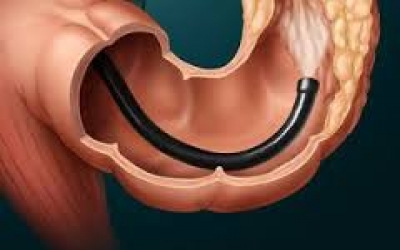
Everyone has reasons for not getting a colonoscopy. Often, it’s based on misunderstandings – both about the procedure and about colon cancer, says Carol A. Burke, MD, Director of the Center for Colon Polyp and Cancer Prevention in Cleveland Clinic’s Digestive Disease Institute, reports Health Cleveland Clinic.
People may not realize that colon cancer is one of the most preventable cancers – and that a colonoscopy is a short, mildly uncomfortable test that can save their life.
Below, Dr. Burke shares seven of the most common misunderstandings she hears from patients about colonoscopies, based on 15 years as a gastroenterologist on Health Cleveland Clinic.
Myth #1: “I’m not at risk for colon cancer.”
The truth is: Everyone is at risk. Adults above age 50 need to have a colonoscopy because the great majority of colorectal polyps – which are the precursors of colon cancer – occur after age 50. Removing polyps prevents colorectal cancer.
Myth #2: “There’s no way I can drink that prep stuff!”
Drinking a bowel preparation is one of the leading deterrents to having colonoscopy. The good news: Today’s bowel prep is easier than before. Rather than having to choke down a gallon of solution, patients can choose half-gallon options. What’s more, many physicians prescribe a split dose, where you take half the prep the night before and the other half on the morning of the procedure.
Myth #3: “A colonoscopy isn’t accurate.”
In 2008, a study reporting that colonoscopies may not completely protect against getting colon cancer gained a lot of media attention. But in that study, many colonoscopies were not complete and performed by general internists and family physicians who may not have had adequate experience to do the colonoscopy well.
More recent studies confirm that experience really matters when you choose who performs your colonoscopies. For a high quality colonoscopy, make sure your physician has specialized training in performing colonoscopies.
Myth #4: “A colonoscopy is too painful!” or “I can’t be sedated enough.”
Actually, 99 percent of patients are adequately sedated through conscious sedation or twilight sleep and can be comfortable during their colonoscopy. Most patients don’t even remember the exam! Some hospitals also offer monitored anesthesia care for patients who require deeper sedation.
Myth #5: “It’s too risky. My friend had his colon perforated during a colonoscopy.”
When performed by specially trained professionals, colonoscopies are extremely safe. The risk of perforation is less than 1 in 1,000 cases, and the risk of bleeding is less than 1 percent.