make preferable
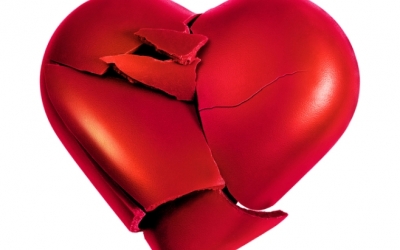
Stress can break human hearts, according to a new research. Researchers found dramatic rises in "broken heart syndrome" in Vermont after a huge storm ravaged the state and in Missouri after a massive tornado, reports Newsmax Health.
People with broken heart syndrome -- formally called Takotsubo cardiomyopathy -- suffer a temporary enlargement and weakening of the heart. The condition is often triggered by extreme emotional or physical stress, such as losing a loved one or being in a traffic crash.
"Despite the seemingly increasing number of natural disasters we have, there is limited data about how it might affect the heart," said lead investigator Dr. Sadip Pant, an internist at the University of Arkansas for Medical Sciences.
For the study, a university team looked at data from nearly 22,000 people in the United States who were diagnosed with broken heart syndrome in 2011. They mapped the cases state by state and found that Missouri and Vermont had the highest rate of cases -- 169 and 380 per 1 million residents, respectively.
The study is scheduled for presentation Saturday at the American College of Cardiology annual meeting, in Washington, D.C.
Symptoms of broken heart syndrome include chest pain and shortness of breath. The condition typically resolves within one or two months, but can lead to serious complications, such as heart failure, heart rhythm disorders and stroke in some cases.
"By and large, it is a very reversible form of cardiomyopathy, but in the acute phase these patients need to be monitored closely to be sure they are stable and to prevent and manage problems," Pant said.
Broken heart syndrome is "a perfect example of our brain-heart connection," Pant said. "The emotional stress we have in our brain can lead to responses in the heart, and not much is known about this condition."