make preferable
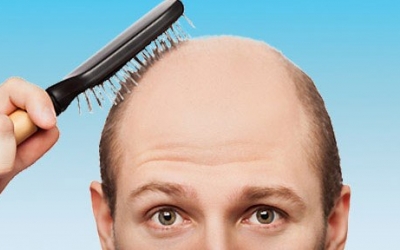
New treatments of hair loss have been developed, including drugs and cell-based approaches, webmd.com reports.
Cell-Based Hair Follicle Regeneration: This treatment takes cells found around hair follicles and grows them in a lab. The cells are then re-injected into the scalp to help grow hair, says Kenneth J. Washenik, MD, PhD, a clinical assistant professor at NYU Langone Medical Center and the medical director.
In a study by his group, 60% of participants had more hair 1 year after the cell-based treatment. “It’s promising, and there are a number of groups looking at this,” he says.
Latisse: Latisse, the drug that is FDA-approved for eyelash growth, may also help regrow hair on the scalp.
Combination Therapy: The true Holy Grail may come from combining a drug like Latisse with a certain type of medication commonly used to treat allergies and asthma. The medication blocks a hormone-like substance that prevents hair from growing.
FDA-Approved Medications: Many medications available today treat hair loss, says Nicole E. Rogers, MD, an assistant clinical professor of dermatology at Tulane University School of Medicine in New Orleans.
Options include minoxidil (Rogaine), an over-the-counter lotion that is applied to the scalp, and finasteride (Propecia), a prescription that is taken once daily as a pill. Certain hormonal treatments can also help treat hair loss.
At-Home Treatments: Low-level laser light combs and helmets do work, but the devil is in the details, Washenik says.
Hair Transplants : These may be the only feasible treatment for some people.