make preferable
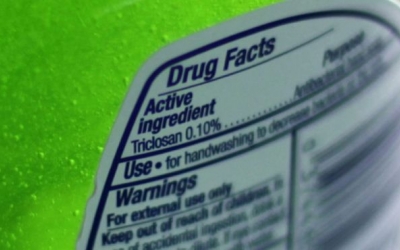
Despite their use, antibacterial soaps might have no benefit for people at home, because they use them incorrectly, a researcher says.
Over the past two decades, the number of products containing the antimicrobial ingredients triclosan and triclocarban has increased rapidly, according to a new review paper by Rolf Halden, director of the Center for Environmental Security at Arizona State University. These products include soaps, detergents, clothing, toothpastes and even pacifiers, reports Fox News.
As a consequence, more people are exposed to these chemicals: about three-quarters of Americans have detectable levels of triclosan in their urine, Halden said.
Antibacterial products have been shown to be effective at killing microorganisms in hospitals and other healthcare settings, and toothpaste with triclosanmay help people with the gum disease gingivitis, Halden said. But there's little evidence that these products are any more beneficial than regular soap for the general population, Halden said.
This lack of benefit may be because people often do not use the products correctly: To effectively kill microbes, people need to wash their hands with antibacterial products for 20 to 30 seconds, but studies show people use the soaps for just six seconds on average, Halden said.
What's more, studies suggest microbes can adapt to these chemicals, and this adaptation may increase their resistance to the antibiotics that are used to treat infections, Halden said. And some studies in animals suggest the chemicals affect hormones in the body.