make preferable
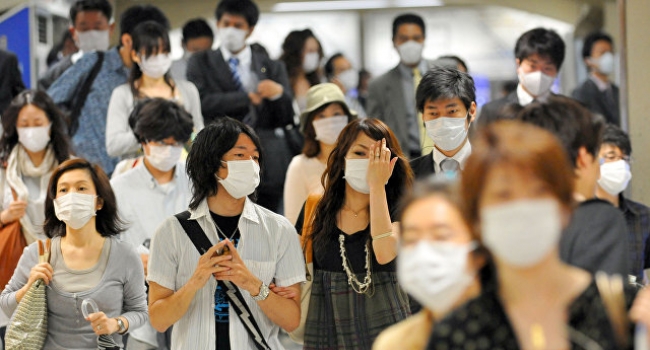
The central government decided Wednesday to urge local governments to take measures to reduce the risk of flu-linked accidents, after at least 54 events involving people with flu — mostly children — were reported last season across the nation.
The adverse incidents, including fatalities due to falls, were reported among children who had taken influenza medicines. The Ministry of Health, Labor and Welfare will instruct local governments to take preventive measures against possible abnormal behavior by making sure windows and doors are securely locked when influenza patients are nearby.
According to the ministry, the kinds of adverse events that were reported could occur regardless of the types of medicines and regardless of whether people take them or not. “We hope they will thoroughly implement measures and prevent accidents,” an official of the ministry said.
More specifically, the ministry is considering asking for preventive steps such as installing auxiliary locks on windows and keeping children on the first floor of homes, as well as noting potential risks of adverse effects on people from flu medicines other than Tamiflu.
Adverse events and deaths associated with Tamiflu had previously been reported in the country, but last season 16 cases were found to be associated with other drugs such as Relenza and Inavir.
According to the ministry’s report about adverse effects, a total of 54 cases of abnormal behavior — including jumping or falling — were observed among patients who took flu medicines.
Of those cases 38 were associated with Tamiflu, while another 11 and five cases were associated with Relenza and Inavir respectively.
Two people aged between 10 and 19 took Relenza and Inavir before falling to their deaths from residential buildings, while the causal relationship between the incidents and the medicines remains unknown, according to the ministry.
Multiple instances of adverse events were also reported among people who had not taken flu drugs, according to another survey by the ministry’s research team, and a potential link between adverse events and high fever has been flagged by experts.
The ministry has issued similar notices to local governments and medical institutions in the past, requesting in principle that children not be left alone within two days of developing fevers.