make preferable
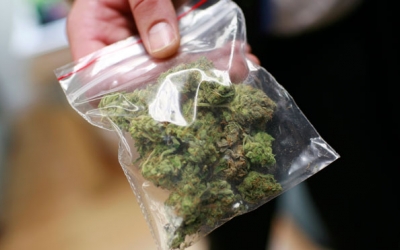
The 10-times magnifying microscope at the University of New Haven shows a marijuana leaf with dozens of tiny bumps on it, Fox News reports.
Heather Miller Coyle, a forensic botanist and associate professor at the university, says all sorts of nasty things not visible to the naked eye have been found in marijuana - mold, mildew, insect parts, salmonella and E. coli, to name a few.
That's why Coyle and her students earlier this year began developing a new process to detect contaminants in marijuana through DNA profiling and analysis. The aim is to be able to identify potentially harmful substances through a testing method that could make the analysis easier and quicker for labs across the country in the developing industry of marijuana quality control testing.
Twenty states and Washington, D.C., now allow medical marijuana with a doctor's recommendation.
"If there's no certification ... it's like saying we don't check our meat for mad cow disease," Coyle said.
A number of labs around the country are testing marijuana for contaminants using different methods, many of which have been around for decades and used to test other plants, including food crops, for harmful substances.
Marijuana can develop mold from an inadequate drying process or poor storage conditions after harvesting. It can also become tainted with E. coli and other dangerous substances by being near farm animals.
The university's work also will include identifying whether cannabis material is real marijuana or a synthetic version comprising non-marijuana herbs sprayed with THC, the compound that gets users high.
The school created a database that has helped federal authorities determine where illegal pot growers and dealers got their product.