make preferable
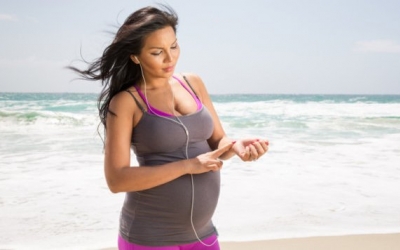
Exercising during pregnancy can have a slew of health benefits, including maintaining a healthy weight and reducing the chances of high blood pressure, health USNews.com reported.
Pregnancy is a nine-month marathon. Or maybe an extreme obstacle course – demanding mere mortal women to (literally) stretch themselves as they haul loads of increasingly heavy human life, share their bodies and nutrients with it, and then push the child out with superhuman strength. It's a marathon women have been running since forever, and yet it still amazes us and raises questions – questions like, "Should you really exercise during pregnancy?"
The short answer is yes, of course, but the long answers are below. Rebecca Starck, department chair of regional obstetrics and gynecology at Cleveland Clinic, Audrey Merriam, a junior fellow chair with the American College of Obstetricians and Gynecologists and an OB-GYN at Christiana Care Health System in Newark, Del., and Heidi Murkoff, author of "What to Expect When You're Expecting," lay your questions to rest.
Why should I exercise during pregnancy?
Regular aerobic exercise is great for just about everyone – including expecting moms and their developing babies. For moms, that daily activity can help ward off high blood pressure, postpartum depression and gestational diabetes. And while regular exercise is a key part of maintaining a healthy weight throughout pregnancy, conversely, a sedentary lifestyle can lead to obesity in both mother and child.
Plus, exercise just makes you feel better. Back pain, pelvic pain, general discomfort, urinary incontinence – all the little joys that come with carrying the miracle of life – can be eased with regular exercise. Being fit and strong will help support a growing belly, push the baby out during childbirth and then carry a growing baby.
Sounds great. What are my first steps?
At the beginning of your pregnancy, talk to your health care provider about your baseline activity level. She can help you determine which exercises and intensity levels will work for you. As your pregnancy continues, your health care provider will also track any conditions that may arise, like high blood pressure, and adjust your activity level if necessary.
Which exercises are best for pregnant women?
“The No. 1 activity, which is good for everybody, is walking,” Merriam says. “Walking is perfect, because it’s low-impact and great for people who hadn’t been exercising prior to pregnancy.” Starck adds aerobic dancing, swimming (buoyancy is a friend to pregnant women), stationary cycling, rowing and jogging to the list.
Plus, "yoga gets you in touch with your body," says Murkoff, who adds that yoga's breathing and concentration exercises will come in handy on delivery day and through the challenges of being a new mom. Just be smart with your poses by skipping the headstands or any postures that put you at risk for falling.
Which exercises should I avoid?
Hold off on scuba diving and horseback riding while. Starck and Merriam stress the importance of avoiding exercises that can lead to abdominal trauma. That means no competitive ball sports or contact sports, downhill skiing, gymnastics, water-skiing, surfing or high-risk road biking.
Just how much exercise are we talking?
"Thirty minutes a day, most days a week,” Merriam says, quoting the recommendation of the American College of Obstetricians and Gynecologists. “You can break up those 30 minutes into 10-minute segments,” Merriam points out. “So if all you can do is 10 minutes, do the 10 minutes. And then later in the day if you’re feeling up to it, do another 10 minutes.”
Well, you should know your body. What does that mean? Be attune to certain warning signs during and after exercise that could indicate trouble for you or the baby, Merriam and Starck say, such as leakage of blood or fluids from the vagina, contractions, dizziness, lightheadedness, shortness of breath, cramping or a lack in fetal movement (after the third trimester). Mayo Clinic adds uneven or rapid heartbeat, headache and chest pain to the list. These are all indicators to stop exercising and call your health care provider.
Remember to hydrate and cool down after workouts, and be aware that your center of gravity is a little off center.
And don’t work too hard. A common rule of thumb: Back off if you're breathing so heavily you can't carry on a conversation while exercising.