make preferable
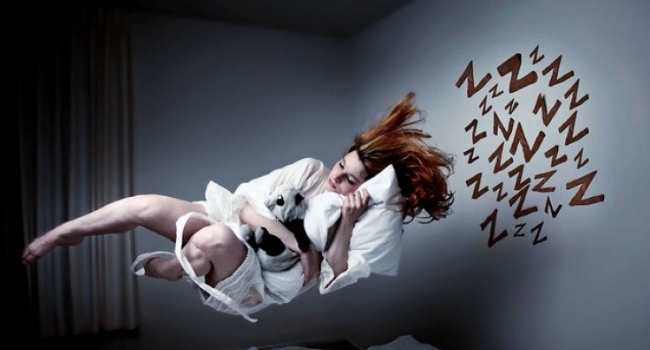
Sleep may be the best weapon against the flu.
This flu season is shaping up to be one of the more deadly ones, with at least 85 adults and 30 children dying in the US from influenza-related causes so far this year.
Studies have shown lack of sleep can make the flu vaccine less effective and trigger chronic health problems, such as diabetes and heart disease.
Chris Brantner, a certified sleep science coach, told Daily Mail Online that sleep is like 'charging a battery' and is necessary to stave off the flu, yet more than one-third of Americans are not getting CDC's recommended seven hours of sleep.
'Everyone is talking about washing their hands to prevent the flu,' said Brantner of Sleep Zoo, a mattress and sleep news site. 'I don't think people really get how important getting seven to eight hours of sleep is.'
The National Sleep Foundation recommends nine to 11 hours of sleep for children aged six to 13 years old, eight to 10 hours of sleep for teenagers, and seven to nine hours of sleep for people aged 18 and older.
Brantner said meeting these guidelines are very important if people want to avoid the H3N2 influenza strain — against which the flu vaccine is only 34 percent effective.
There are four difference stages of sleep: the first stage occurs within the first five to 10 minutes of sleep when the eyes are closed but it's easy to wake up. The rest are light sleep, deep sleep and rapid eye movement sleep (REM).