
 make preferable
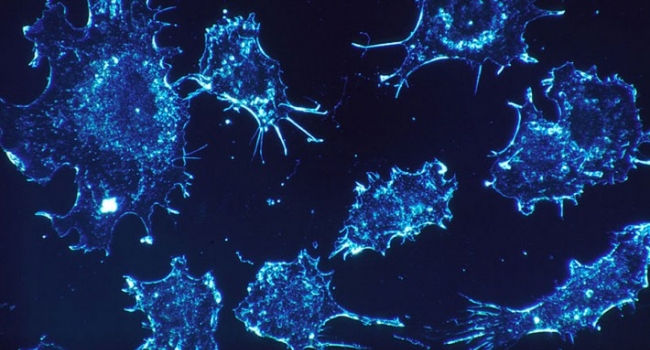
A revolutionary cancer vaccine that can eliminate tumours even after they have spread throughout the body is to go into human trials.
The move follows trials on mice in which the treatment worked “startlingly well”, according to researchers, with 90% of the animals cured after one injection, and the rest after a second jab.
The team at Stanford University, in California, say that “injecting tiny amounts of two drugs directly into a tumour not only kills the original cancer, but also triggers an ‘amazing bodywide’ reaction which destroys distant cancer cells”.
The drug combination works by “switching on immune cells inside the tumours which have been deactivated by the cancer, then boosting them so they can go to work killing the disease”, the newspaper adds.
“When we use these two agents together, we see the elimination of tumours all over the body,” said Professor Ronald Levy, who led the study.
“This approach bypasses the need to identify tumour-specific immune targets and doesn’t require wholesale activation of the immune system or customisation of a patient’s immune cells.”
For the human trial, “Levy plans to recruit 15 patients with low-grade lymphoma”, says the Daily Mail. “If successful, Levy believes the treatment could be useful for many tumour types.”
Levy's method works to reactivate the cancer-specific T cells by injecting microgram amounts of two agents directly into the tumor site. (A microgram is one-millionth of a gram). One, a short stretch of DNA called a CpG oligonucleotide, works with other nearby immune cells to amplify the expression of an activating receptor called OX40 on the surface of the T cells. The other, an antibody that binds to OX40, activates the T cells to lead the charge against the cancer cells. Because the two agents are injected directly into the tumor, only T cells that have infiltrated it are activated. In effect, these T cells are "prescreened" by the body to recognize only cancer-specific proteins.
Some of these tumor-specific, activated T cells then leave the original tumor to find and destroy other identical tumors throughout the body.
The approach worked startlingly well in laboratory mice with transplanted mouse lymphoma tumors in two sites on their bodies. Injecting one tumor site with the two agents caused the regression not just of the treated tumor, but also of the second, untreated tumor. In this way, 87 of 90 mice were cured of the cancer. Although the cancer recurred in three of the mice, the tumors again regressed after a second treatment. The researchers saw similar results in mice bearing breast, colon and melanoma tumors.
Mice genetically engineered to spontaneously develop breast cancers in all 10 of their mammary pads also responded to the treatment. Treating the first tumor that arose often prevented the occurrence of future tumors and significantly increased the animals' life span, the researchers found.
In the future, he believes oncologists “could inject both [agents] into solid tumours in humans before surgery as a way to prevent recurrence from stray tumours that spread but weren’t detected”, according to the newpaper.
“I don’t think there’s a limit to the type of tumour we could potentially treat, as long as it has been infiltrated by the immune system,” Levy said.
Levy and his team “deserve a lot of credit” for testing the combined treatment on a strain of mouse that is prone to spontaneously develop breast tumours - which mimics how cancer arises in humans, immunologist Drew Pardoll, of the Bloomberg-Kimmel Institute for Cancer Immunotherapy in Baltimore, Maryland, told Science magazine.
But “the big question is whether the approach works in people, as most rodent cancer therapies don’t translate to humans”, the magazine notes.





