make preferable
Periods are one of the most taboo subjects to talk about, but they can reveal a plethora of information when it comes to your health. Look before you flush not only when it comes to your urine or poop, but also your period, and find out the six things your monthly visitor can tell you about your health from what’s normal to what’s not at any age, The Medical Daily reported.
1. Period Pain
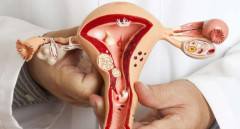
Dysmenorrhea, the medical term for menstrual cramps, happens to 50 percent of women and is the result of excessive amounts of prostaglandin — a hormone involved in pain and inflammation. Severe, disabling cramps felt in the lower abdomen, however, can indicate a more serious health problem: endometriosis. Women with the disorder have uterine tissue growing outside the uterus, typically in the pelvic area. Between seven to 10 percent of women suffer from endometriosis.
2. Color of Your Period
Although it may not be an aesthetically pleasing sight, knowing the color of your period can reveal a lot about your hormonal health. Hormones are continuously changing during a four-week cycle, which can impact the color and consistency of your menstrual cycle. Women will typically experience one of the three color patterns during their period: frozen mashed-up blueberries, strawberry jam, and cranberry juice, said Alisa Vitti, a holistic health counselor and functional nutritionist.
Periods that resemble a “frozen blueberry” texture and color are usually an indicator of higher estrogen levels, which can lead the lining of the uterus to thicken when this hormone is in excess.
For women who shed a “strawberry jam,” or one with a light pink appearance, it's usually a sign that estrogen levels are too low, which can lead to vaginal dryness, low libido, hair loss, and even fatigue.
Lastly, periods that have a nice saturated and red color — “cranberry juice” — are “normal” and tend to start and end on time. However, women with these periods should always be on the lookout for premenstrual syndrome (PMS). Although many women think having PMS is normal, it’s not. PMS is one of the first signs that the body may be on the path toward a hormonal imbalance.
3. Flow of Your Period
While it may seem that you’re losing gallons of blood during your monthly cycle, the average period only releases less than a cup of blood, says the Iron Disorders Institute. However, this is not to say women can’t experience heavy bleeding. A prolonged time of heavy bleeding during your period could cause anemia or could lead to: fertility-threatening fibroids, growths on the uterine wall; polyps, tumors in the cervix or uterus; or endometriosis. These conditions are more prevalent in women after the age of 35.
Women who experience a lighter flow on their periods could either be going through hormonal changes, poor nutrition, or stress. Light menstrual periods are often seen in women who are entering perimenopause, or menopause, or those who take hormonal birth control methods that result in reduced blood loss and lighter periods. Abnormally light periods could also be an indicator of autoimmune disorders, polycystic ovary syndrome (PCOS), or Asherman's syndrome.
4. Frequency of Your Period
The frequency of your menstrual cycle is a good indicator of how your health is doing. According to the Mayo Clinic, menstrual flow might occur every 21 to 35 days and last two to seven days.
If you experience irregular periods past your teens, whether you spot between periods or have a period that lasts more than seven days, this may be due to extreme weight loss, stress, pregnancy, or the use of certain drugs to treat conditions such as uterine cancer. In addition, irregular periods could be brought on by drinking too much alcohol. It’s normal for women to experience an irregular period from time to time, as they are not dangerous in most cases, but it’s best to consult a doctor to identify the cause of the irregularity of your abnormal flow.
5. Bleeding After Your Period
Bleeding after your period is normal for women who take birth control pills, which leads to small amounts of staining and cramps throughout various points in a woman’s cycle. However, women who do not take birth control and still see bleeding after their period should consult their doctor.
Medline Plus suggests that vaginal bleeding could be due to cancer or precancer and should therefore be evaluated immediately. In other cases, it could be a sign of a vaginal infection, a hormonal imbalance, or a polyp.
6. Absence of Your Period
When a woman has a missed period, the first thing that comes to mind is pregnancy, but there are many reasons for having a late period.. This can occur in women who take birth control pills or who receive hormone shots.
Other health causes for this condition may include brain (pituitary) tumors, overactive thyroid gland, or a reduced function of the ovaries.