make preferable
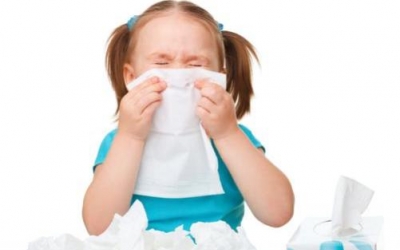
If you have a mild fever, a runny nose, and a dry cough, you probably have the common cold. But when the persistent hacking cough continues for two weeks, you will most likely be diagnosed with pertussis, or "whooping cough," The Medical Daily reported.
There have been recent outbreaks throughout the country, specifically in California, where the number of whooping cough cases has coincided with the steady rise of parents who have opted out of vaccination requirements for their kids.
The highly contagious bacterial infection is characterized by symptoms of a runny nose, sneezing, mild cough, and low-grade fever, but after two weeks, the irritating cough turns into coughing spells. During these spells, which can last for more than a minute, the child may turn red or people, says KidsHealth. A child may begin to make a whooping sound when breathing in, or they may vomit after the spell. The most common complication of whooping cough is secondary bacterial pneumonia.
Currently, the Center for Desease Control (CDC) recommends that children get doses of the vaccine at the following ages: two months, four months, six months, 15 to 18 months, and four to six years. Preteens and adults are advised to get a booster shot, Tdap, for whooping cough as a means to reduce their risk of infection.
The most vulnerable group for risk of infection includes infants younger than 1 year old because they do not have the full five-dose series of pertussis vaccinations. Babies are not vaccinated for whooping cough until they are 2 months old. Therefore, it is up to adults to stay up-to-date with their immunizations because they can easily transmit the disease to under-immunized infants. Until an infant receives the first three pertussis immunization, they will be susceptible to the bacterial infection that could kill them. The majority of pertussis-related deaths occur among infants younger than 3 months of age.
Here are three easy ways to prevent one of the most common childhood diseases in the U.S.:
3 Ways to Naturally Prevent Whooping Cough
1. Take vitamin C
Vitamin C in high doses will help you and your child as they develop a lasting immunity to pertussis.
2. Take probiotics
Probiotics can help strengthen a child’s immune system, and it’s the easiest way to ensure that the body contains “healthy” bacteria.
3. Stay hydrated and get rest
It’s important to replenish the body with plenty of H2O, to rid the body of toxins and to keep your organs functioning. For the body to fight infection, it needs an adequate amount of water. Getting the recommended amount of rest will also help you feel good and let your body revitalize itself.