make preferable
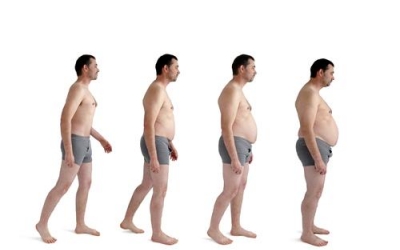
Being obese in 20-30 years puts you at a risk of severe obesity later in life, according to a new study forthcoming in the June issue of the American Journal of Preventive Medicine, the Medical Daily reported.
For the study, lead author Dr. Jennifer Dowd, associate professor of epidemiology and biostatistics at City University of New York School of Public Health, used information from the 1999-2010 U.S. National Health and Nutrition Examination Survey (NHANES). The NHANES asks for a wide range of information regarding demographics, dietary behavior, health care, medical conditions, physical activity, weight history, and many other health-related topics.
While the study found high obesity risks for men, women’s statistics were even higher. Overweight men aged 25 were 23.1 percent more likely to fall into class III obesity (defined as a BMI greater than 40) after age 35. Men of a normal weight at age 25 had a 1.1 percent chance of severe obesity after age 35.
For women, the likelihood of class III obesity was 46.9 percent if obese at age 25. Women of normal weight at age 25 had a 4.8 percent chance of severe obesity after age 35.
“Duration of obesity may still have important implications for mobility and musculoskeletal disease. Prevention of weight gain at all ages should thus be a clinical and public health priority,” study co-author, Anna Zajacova, said in a press release.
Some health risks of being overweight or obese include heart disease, high blood pressure, stroke, and respiratory problems. Approximately 69 percent of adults are overweight or obese, according to a 2009-2010 NHANES report.