make preferable
235 million people in the world suffer from asthma, and it is one of the most common diseases among children. Health care providers will aim to help those with asthma and their friends and family to create an asthma management and prevention plan to get their chronic condition under control, the Medical Daily reported. About 70 percent of asthmatics have allergies, which is why implementing an education plan for physicians is key to asthma awareness.
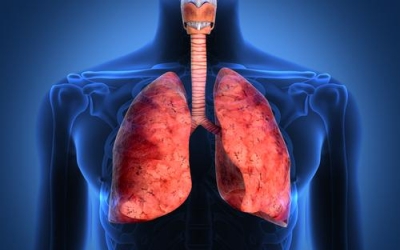
During an asthma attack, also known as asthma exacerbation, airways become swollen and inflamed, and the muscles around the airways contract, leaving only a straw’s worth of breathing room.
Sometimes when people experience an attack, their swollen airways produce extra mucus, which only makes it rapidly more difficult to breathe. The person may wheeze, cough, and describe feeling tightness in their chest.
When an asthma attack occurs, follow the step-by-step Asthma Action Plan created by you and your doctor, and tell your close friends and relatives what to do in case of an emergency. Each plan is specially designed for each individual and depends entirely on their condition, age, and disease severity.
Notice your warning signs such as feeling chest tightness, wheezing, shortness of breath, coughing, and congestion.
Control your asthma by recognizing and avoiding your asthma triggers. Common asthma triggers include allergies, dust, illness, cigarette smoke and air pollution, exercise, fumes, stress, and weather conditions.
Control your asthma by taking your medicine as prescribed. Follow your physician’s instructions and take your quick-relief medicines, such as an inhaler or nebulizer, which is one of the quickest and safest ways to inhale medication straight to your lungs where you need it most. Medications also come in the form of pills, powders, liquids, sprays, or shots.
It’s important not to panic, take your medicine, try to control your coughing, and seek emergency medical help if the medicine doesn’t alleviate symptoms. Always know your physician’s phone number in case you can’t get your asthma under control.