make preferable
Because the number of patients with severe facial disfigurations is growing, doctors learn more and more about the intricacies of full face transplantation, Fox News reports.
Now, for the first time ever, researchers have discovered that in the months following the procedure, the blood vessels in the faces of transplant recipients are actually able to reorganize themselves.
Still a relatively new procedure, full face transplants have only been available to patients within the past two years – the first successful operation in the United States was performed at Brigham and Women’s Hospital in Boston in 2011.
According to study author Dr. Frank Rybicki, the most important element required for successful face transplantation is an adequate blood supply from the donor.
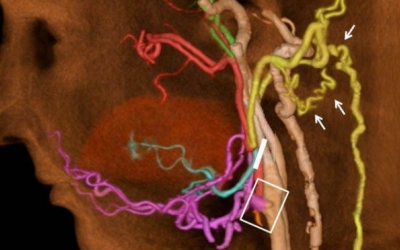
For the study, Rybicki and his colleagues analyzed the blood vessels of three transplant patients one year after their surgeries. The researchers used a special imaging technique, known as computed tomography angiography (CTA) to map out the patients’ facial allografts.
Through this imaging, they found that existing vessels in both the donor and recipient’s tissue had morphed and made new connections with each other – a process known as collateralization
Notably, the researchers found that most of the new blood vessel networks came from vessels farther back in the head and toward the ears. These findings could ultimately help physicians to create better assessment protocols, helping them determine which candidates are best suited for full face transplantation and which patients may have severe complications.