make preferable
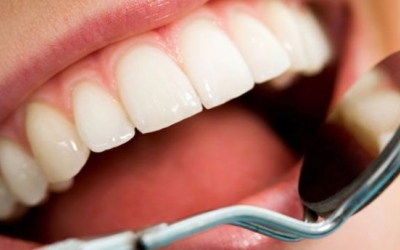
Your teeth can tell much about your overall health, so it’s important to know how to take care of your mouth.
Dr. Manny Alvarez, senior managing health editor for FoxNews.com, recently sat down with Dr. Gerry Curatola, founder of Rejuvenation Dentistry in New York City to debunk some common dental myths that could be hurting your health.
Sugar is the main cause of tooth decay.
"This is a myth in a sense. It's actually acids from bacteria that have gone to the dark side,” Curatola told FoxNews.com. “We talk about good bugs and bad bugs.”
“Bad bugs” are formed when you digest carbohydrates. Refined sugar is an example, but other carbohydrates can include healthy foods like vegetables, fruits and grains. These “bad bugs” produce acid in your mouth that, when combined with saliva, result in plaque formation.
Teeth whitening will damage your enamel.
The key ingredients in over-the-counter whitening products are hydrogen peroxide or carbamide peroxide, which work as oxidizing agents to remove stains on the surface of the enamel. White strips, trays and pastes meant for at-home use usually contain about 3 to 10 percent of these active ingredients and are generally considered safe. Curatola noted as with everything, moderation is important.
Silver fillings don’t need to be replaced.
“A lot of patients are not even informed that silver-colored fillings are actually 52 percent mercury,” said Curatola. “There's also research – and it's proven that mercury leeches out over time from these silver fillings – more if you drink hot liquids and chew things. My opinion is that I don’t think any amount of mercury is good, and especially if [these fillings are] breaking down, they should be replaced.”
Mouthwash with alcohol is good to use.
“Mouthwash should not have alcohol,” said Curatola. “Alcohol is dehydrating and denaturing to this natural ecology of the mouth called the oral microbiome.”
Wisdom teeth serve no purpose.
Wisdom teeth are a product of evolution that got their name from the time that they appear in your mouth – usually between the ages of 17 to 25. It is thought that the coarse food our ancestors ate caused the jaw to grow larger and stronger, allowing for more teeth in our mouths.
“Wisdom teeth are called vestigial organs, like your tonsils and your appendix,” said Curatola. “I don't think every child should have their wisdom teeth ripped out, but I do believe that we are finding an intraspecies evolution where wisdom teeth are not having room to erupt, and if they are malpositioned, they can cause problems [like] cysts in the jaw, infections and pain.”
If your wisdom teeth are not causing you any problems, you may want to think about leaving them where they are.