make preferable

Though feelings are an inescapable part of our lives, they can have a significant effect on your health, especially if they’re negative emotions, the Medical Daily reported. Below are five common emotions that can have a negative impact on your well-being unless they’re coped with properly.
Anger
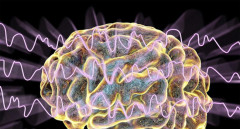
Studies have shown that anger can actually lead to heart attacks and an increased risk of cardiovascular problems — perhaps not surprisingly, as a sudden burst of anger can cause an over-the-top surge of chemicals throughout the body, like adrenaline and noradrenaline. During a bout of anger, the brain’s amygdala overreacts; blood rushes to the frontal lobe, the area in charge of reasoning. This is why anger can often be blinding — and can lead to you throwing a phone at the wall.
Loneliness
Loneliness may also be just as dangerous as a sudden outburst of anger. Feeling lonely could increase your risk of premature death by 14 percent.
It’s important to maintain social relationships with friends and family, and to even make small talk with new faces every once in a while. Older people who are lonely tend to have higher levels of stress, and less of an ability to adapt to difficult situations if they don’t have anyone to lean on. Loneliness can increase levels of stress hormones in the body like cortisol, affects sleep quality, and increases blood pressure. Isolation and solitude can also weaken your immune system. So maintain your friendships and social bonds; it will do you good.
Stress And Anxiety
It’s almost common knowledge at this point that stress has a huge negative effect on our bodies. Stress almost always manifests itself through physical symptoms: migraines, grinding teeth, lightheadedness, nausea, exhaustion, heart palpitations, insomnia, and a decreased or increased appetite.
Learning how to reduce your stress could be one of your best investments — exercise, eating healthy, and giving yourself “me” time as well as a chance to relax and unwind will go a long way.
Shock
Shock, or trauma, can cause both short-term and long-lasting consequences on both your mind and body. Shock typically involves an unexpected situation that throws an unprepared person off their feet, and leaves them unable to cope or react properly. Psychological trauma occurs in the brain, and can actually change the structure of the brain in the area where the frontal cortex, emotional brain and survival brain converge. Physical symptoms that occur due to shock or post-traumatic stress disorder (PTSD) include sleeping and eating issues, sexual dysfunction, lack of energy, and chronic pain.
Sadness
When you’re experiencing deep grief or sadness, it takes a toll on your health, too. One study from St. George’s University of London found that it is actually possible to die of a broken heart — bereavement increases your risk of a heart attack or stroke by nearly double after a partner’s death, the researchers discovered.