make preferable
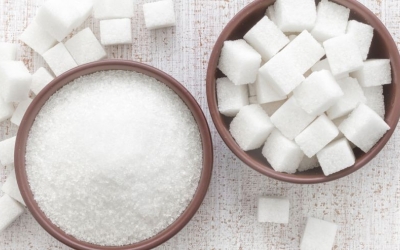
Sugar is added to foods that don't even taste all that sweet, like breads, condiments and sauces. And although the American Heart Association recommends women consume no more than six teaspoons of added sugar per day (or about 100 calories), most of us take in double that. A high-sugar diet boosts your odds of tooth decay, heart disease, and diabetes, not to mention weight gain.
Slash your sugar intake now with these 10 expert tips on Fox News channel.
Read food labels
You'll quickly realize just how often sugar is added to foods when you look for it on ingredients lists.
Ingredients are listed in order of how much exists in the product, so if sugar's near the top, that's a red flag.
Learn sugar's aliases
When you read food labels, you'll need to look for more than just the word "sugar." Sugar hides under several sneaky names, including high fructose corn syrup, dried cane syrup, invert sugar, molasses, sucrose (or any word ending in "-ose"), brown rice syrup, honey, and maple syrup.
Buy unsweetened
Once you know where sugar hides, you can start making changes. One strategy: buy foods labeled "no added sugar" or "unsweetened."
Don't go cold turkey
Going cold turkey on sugar isn't realistic for most people. Amari Thomsen, RD, owner of Chicago-based nutrition consulting practice Eat Chic suggested cutting back slowly. If you normally put two packets of sugar in your coffee, for instance, try one for a week, then half, and finally add only a splash of milk.
Think protein and fat
Unhealthy carbs loaded with sugar can cause blood sugar to rise rapidly (and dive just as quickly, leaving you hungry again). To minimize this rapid rise and fall, pair protein, healthy fats, and fiber with your meal, all of which can keep you full for longer. At breakfast, that means adding almonds to your usual oatmeal or pairing eggs with your morning toast, and for your midday snack, a slice of turkey breast or cheese along with your apple, suggests Thomsen. Focus on fats like avocados, nuts, seeds, and heart-healthy oils like olive oil, walnut oil, and coconut oil.
Never go fake
When you're reducing your sugar intake, you may be tempted to switch to artificial sugars for your sweet fix. But resist reaching for the diet soda, sugar-free candy, and packets of fake sugar in your latte.
Add more flavor
Diane Sanfilippo, certified nutrition consultant loves using vanilla bean and vanilla extract, spices, and citrus zests to add sweetness to foods without having to use sugar.
Don't drink it
Avoiding soda is a good idea, but that's not the only sugar-packed drink out there. Even drinks that are considered healthy can contain more of the sweet stuff than you're supposed to have in an entire day. Case in point: bottled iced teas (more than nine teaspoons per bottle), energy drinks (almost seven teaspoons per can), bottled coffee drinks (eight teaspoons per bottle), and store-bought smoothies (more than a dozen teaspoons—for a small).
Enjoy dessert
You can still indulge in an occasional sweet treat after you resolve to slash sugar. The idea is to avoid wasting your daily sugar quota on non-dessert foods like cereals, ketchup, and bread. To avoid overdoing it, set specific rules about when you may enjoy dessert: only after dinner on the weekends or at restaurants as a special treat, Thomsen suggested.
Stick with it!
At first, cutting down on sugar can feel like an impossible task. Eventually, though, your taste buds will adjust. Super-sweet foods like ice cream and candy will start to taste too sweet.