make preferable
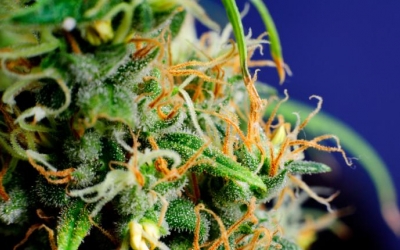
There is a lot of controversy about marijuana as it increasingly becomes legal to use. As of now, 22 states and the District of Columbia have established medical cannabis programs and Colorado and Washington State have legalized recreational use, with Oregon soon to follow.
Most people know about the dangers of tobacco use but may think that marijuana is beneficial or benign at worst. It may help patients with nausea that resists treatment and could ease the side effects of chemotherapy.
However, it’s hard to justify using marijuana for anyone with cardiovascular disease because there just isn’t enough information available to know how it will affect their hearts. The drug’s effect on cardiovascular health is simply uncharted territory. These patients should steer clear of the drug until they talk with their doctor.
Here are four reasons to avoid, or at least be cautious, if you’re a heart patient:
1. Scientific data is scarce. There aren’t definitive, rigorous scientific studies to guide us about marijuana use because the drug was illegal for many decades, says Steven Nissen, MD, Chairman of Cleveland Clinic’s Department of Cardiovascular Medicine.
2. We don’t know what it will do to your heart. There are several documented studies that show that marijuana use is associated with increased heart rate and fluctuations in blood pressure, which may be implicated in developing heart attacks or strokes.
More recently, a study in Journal of the American Heart Association reported that there are potential cardiovascular dangers to young adults using marijuana.
3. We don’t know what it will do to your lungs and blood vessels. Apart from the effects that marijuana use has on the body, the delivery method for the drug raises other concerns.Smoking marijuana can harm lung tissues and cause scarring and damage to small blood vessels. It can also lead to increased risk for mini-stroke — a danger for anyone, but of particular risk for patients with existing heart and circulatory problems.
As an alternative, people might consider eating marijuana in foods such as cookies or brownies, but this also poses a risk because there is no reliable way to prescribe proper dosing or portion size. Increasing genetic manipulation of marijuana types and strains further muddies this picture. The effects are unpredictable.
4. We don’t know what it will do to your brain. Ongoing studies have found links betweenmarijuana and mental health problems, including bipolar disease. Marijuana use also has links to depression, physical inactivity and social isolation, all factors that worsen outcomes for heart patients.
The active ingredient in marijuana is THC (tetrahydrocannabinol), and many tissues in your body have THC receptors. That means marijuana can have some effect on virtually every organ, and that effect is also virtually unknown.