make preferable
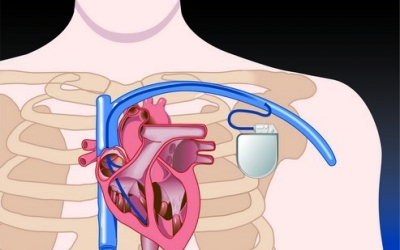
Women suffering from heart failure derive more benefit than men do from a pacemaker treatment. But they are less likely than men to receive it, a new analysis shows.
Cardiac resynchronization therapy (CRT) -- which uses a pacemaker to improve the coordination of heartbeats -- led to a 60 percent reduction in women's risk of heart failure or death, researchers from the U.S. Food and Drug Administration report.
Those benefits far outstripped rates of effectiveness for men, whose risk of heart failure or death declined by only 26 percent with CRT, NewsMax Health reports.
Despite this, fewer women than men are treated with CRT, in part because treatment guidelines are based on clinical trials that included too few women, said senior study author Dr. David Strauss, a medical officer at the FDA Center for Devices and Radiological Health.
"Women were underrepresented in the individual clinical trials for CRT," Strauss said, noting that only about one-fifth of the patients in those trials were female. "By combining data from multiple clinical trials, we were able to better identify which specific women were most likely to benefit from CRT."
CRT helps treat an electrical disorder of the heart that causes one side of the heart to beat before the other, Strauss said. A special type of pacemaker has been designed that corrects the electrical signal and resynchronizes the person's heartbeat.
The FDA decided to take a closer look at the clinical trial data following studies that suggested women might derive more benefit from CRT than men, the study authors said in background information.
Current guidelines call for the use of CRT in patients with a "QRS duration" of 150 milliseconds or longer. QRS duration is the time required for electrical conduction in the heart, and longer times indicate delayed electrical function.
But the FDA analysis found that women with a QRS of 130 to 149 milliseconds enjoyed a substantial benefit from CRT that men with that same QRS did not. When provided at that range, CRT reduced women's risk of heart failure or death by 76 percent, but provided no benefit to men.
Women's hearts are smaller, which means that even shorter delays in their QRS duration could have a more negative impact on their heart, Tomaselli said.
In addition, FDA researchers found that women are more likely than men to suffer the specific heart problem that CRT best helps, an electrical disorder called left bundle branch block.
These findings highlight the importance of enrolling more women in clinical trials and performing gender-specific analysis of the benefits, Strauss said.