make preferable
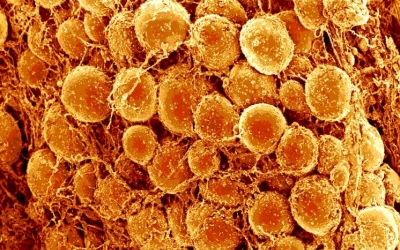
It’s well known that the body creates two different types of fat: white and brown, and they are bad and good, respectively, Medical Daily reminds.
White fat stores extra calories from high-fat foods like sugary donuts, packing on that extra “flab” until the body needs it to burn energy. Brown fat, in the meantime, has been known to burn fat by transforming it into heat.
In other words, while white fat packs onto your hips and stomach, brown fat works to burn it off. It seems rather contradictory; but brown fat’s unique ability to naturally burn white fat has piqued the interest of scientists hoping to develop new therapies to battle obesity and diabetes, both of which have become epidemics in the U.S. and around the world.
Now, researchers at Beth Israel Deaconess Medical Center (BIDMC) have pinpointed a new clue into how brown adipose tissue (BAT) burns energy. They found that the transcription factor IRF4 (a specific protein that binds to specific DNA sequences and controls genetic information) plays a significant role in the thermogenic — or energy-burning — process of brown fat.
The discovery several years ago that brown fat plays an active role in metabolism suggested that if we could manipulate the number or activity of these fat cells, we could force our bodies to burn extra calories. Now that we have identified a major factor driving this process, we can look for new approaches to exploit this for therapeutic benefit.
Brown fat is often activated by cold temperatures, as well as certain hormones and drugs, such as epinephrine. It’s able to generate heat through a group of genes that are known as the “thermogenic gene expression program,” one of which was pinpointed by the authors as a significant part of the brown fat burning process.
As infants, our bodies are filled with brown fat: our organs are wrapped in it to keep us warm and adapt to life. But the older we get, the more brown fat disappears. Recently, researchers were able to discover that brown fat actually does remain in adults, however, packing into parts of our necks and other corners of the body. When brown fat is activated, in theory we could be able to eat more without gaining weight.