make preferable
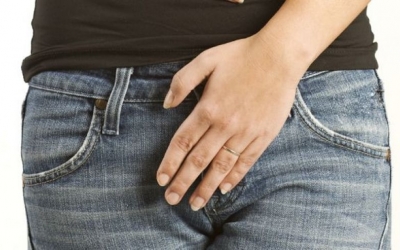
If you’re constantly in the bathroom, have a nagging urge to urinate, wake up during the night to go – or worse – you don’t even make it to the bathroom in time, you might have an overactive bladder (OAB). It’s a common problem, as about 40 percent of women and 30 percent of men in the U.S. have overactive bladder symptoms, according to the Urology Care Foundation.
OAB can be caused by certain conditions, such as a pelvic prolapse in women or an enlarged prostate in men, bladder muscles not working well because of age, or a neurological problem like a stroke or a herniated disc, FoxNews reported.
If your overactive bladder symptoms are impacting your life, here are 12 things you can do:
1. See your doctor
Your doctor will evaluate your symptoms, do an exam and run tests to find out why you’re having symptoms. Sometimes OAB can be caused by a urinary tract infection, which can be detected by a urinalysis and resolved with medication.
2. Keep a diary
Your doctor may ask you to keep a voiding diary to track what you drink, how much and how often – as well as how often you use the bathroom and how much urine you leak.
It really gives you an objective measure of how bad the OAB symptoms are.
3. Cut down
Caffeine in coffee, tea and soda can irritate the bladder and make the urge to go stronger, so cutting back may help. Your doctor can also devise a schedule so you know how much to drink and when you should cut back.
4. Drop the pounds
If you’re overweight or obese, losing weight can significantly improve your symptoms.
As the weight goes down, the pressure on the bladder goes down.
5. Do Kegels
Performing Kegel exercises can reduce frequent urges to urinate. So contract, hold and release, and shoot for 30 to 40 Kegels a day.
6. Bladder retraining
You can actually condition your bladder to function properly by teaching yourself how to suppress the urge to urinate. So when you feel like you have to go, do a Kegel instead and then try to wait before going the bathroom.
7. Pelvic floor therapy and biofeedback
Pelvic floor therapy and biofeedback can help mild cases of overactive bladder. Pelvic floor therapy uses a probe to stimulate the pelvic floor muscles and makes them contract. With biofeedback, patients do the Kegels themselves, while a computer detects and visually describes how effective the contraction is.
8. Estrogen cream
Thinning of the vaginal wall as a result of a drop in estrogen during menopause can cause irritation and inflammation of the bladder. An estrogen cream can help and is safe for women, even those who have had breast cancer, because it doesn’t get absorbed into the blood stream.
9. Medication
There are several classes of medications that can help symptoms, so talk to your doctor about which one is right for you.
10. Botox
The same cosmetic that plumps wrinkles can actually help your bladder when medication doesn’t work. It relaxes the muscles in that local area and partially paralyzes them so the muscle can’t contract.
11. Neuro-modulation
Sacral nerve stimulation is an implant that acts like a pacemaker for the bladder; it sends messages to the nerves that control bladder function in order to reduce symptoms. A less invasive procedure is posterior tibial nerve stimulation, which uses a needle electrode to activate the tibial nerve which relaxes the bladder. It’s effective approximately 50 to 60 percent of the time, but it needs to be repeated regularly.
12. Surgery
There are several surgical procedures that can repair obstructive causes of OAB like pelvic prolapse, but it’s important to talk to your doctor about your options and the risks.