make preferable
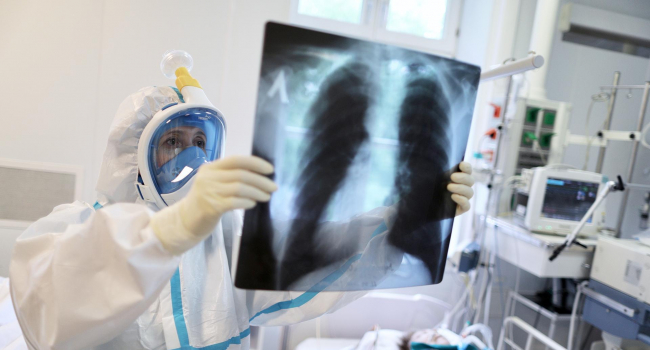
Coronavirus infection can lead to long-term health consequences, and more evidence of this is emerging every day. Even six months after acute COVID-19, oxygen uptake in the lungs may remain impaired, according to a new study published in the journal Radiology.
According to Medportal.ru, the most common symptoms of the so-called postcoid syndrome (long covid) include shortness of breath and fatigue. These problems can persist for many months after suffering from COVID-19. But the problem is that conventional examination methods (including computed tomography and magnetic resonance imaging) often do not detect changes in lung function. The causes of these symptoms are still largely a mystery.
The new study involved 9 patients suffering from post-COVID-19 syndrome for at least six months after hospitalization. Computed tomography showed no change in their lungs, but shortness of breath and fatigue continued to bother them. Scientists examined them using the latest method - magnetic resonance imaging using hyperpolarized xenon (MRI 129Xe). This technology allows researchers to discover details about lung function that were previously unavailable to researchers.