make preferable
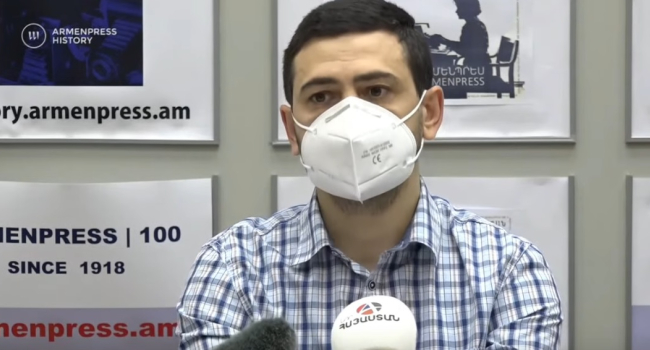
To prevent the spread of an infectious disease, some people must acquire immunity against it; for example, through vaccination. In the case of the coronavirus, the number of people vaccinated is not enough yet to slow the spread of this virus. Armenian allergist and immunologist Sevan Iritsyan told this to a press conference Friday.
According to him, mortality from COVID-19 has increased in recent months in the world, the course of this disease has worsened, and the age of those infected with it has become younger.
Last year, there was no vaccine against the coronavirus yet, and there was no talk of developing and collective immunity, and this year the number of respective vaccinations has not yet reached the threshold which, according to the expert, will bring considerable changes at the population level.
The allergist-immunologist noted that the Covid vaccines still “work” at the level of individual protection; that is, they protect the vaccinated person, but do not form a collective immunity.
According to the expert, the percentage of the population that needs to be vaccinated to ensure collective immunity depends on the "infection coefficient."
In the case of the coronavirus, it is estimated that about 70% of the target population should be vaccinated to slow the spread of this virus. In Armenia, however, only about 21.8% of the population has so far been administered the first dose of the COVID-19 vaccine, and solely about 9.4%—both doses.
"Of course, this is a very low indicator to wait for a result," Iritsyan added.