make preferable
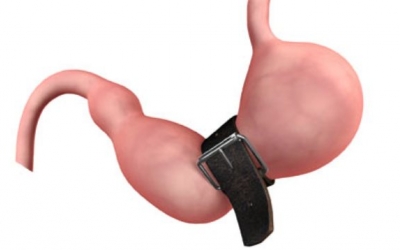
According to the new review, the weight-loss surgery helps very obese patients drop pounds and improve their overall health, even if there is some risk for complications, Newsmax Health reports.
"People don't view obesity as a disease, and blame the victim," said Dr. Mitchell Roslin, chief of weight-loss surgery at Lenox Hill Hospital in New York City "We have this ridiculous notion that the next diet is going to be effective, although there has never been an effective diet for people who are severely obese."
Morbid obesity is a chronic condition that is practically irreversible and needs to be treated aggressively, Roslin said. "The only treatment that's effective is surgery," he said.
Review author Su-Hsin Chang is an instructor in the division of public health services at the Washington University School of Medicine, in St. Louis. For the study, Chang's team analyzed more than 150 studies related to weight-loss surgery. More than 162,000 patients, with an average body-mass index (BMI) of nearly 46, were included. BMI is a measure of body fat based on height and weight, and a BMI of more than 40 is considered very severely obese.
Five years after the operation, the reduction in BMI ranged from 12 to 17 points.
The review showed differences between the types of weight-loss procedures. For example, gastric bypass was more effective for weight loss but was associated with more complications.
In gastric bypass, part of the stomach is closed off to prevent the patient from eating too much.
Roslin said common complications include bleeding, infection and bowel blockage. Roslin said everyone who has a BMI over 35 and has sleep apnea, severe heart failure or needs insulin for type 2 diabetes should consider having bariatric surgery.