
 make preferable
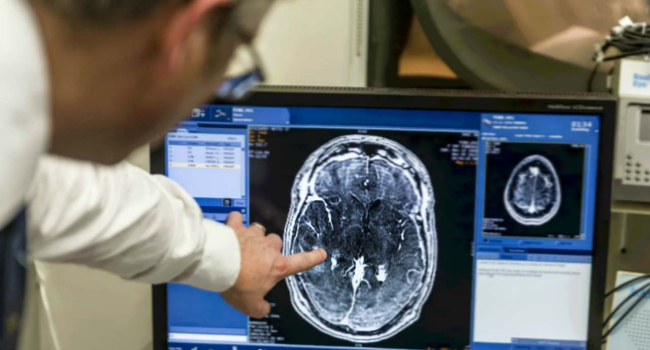
Researchers have used MRI brain scans of children with isolated fetal ventriculomegaly to measure neurodevelopment and investigate the presence of autism traits at school age.
In a paper published in Nature Communications, King’s researchers from Centre for the Developing Brain have discovered evidence supporting an association between isolated ventriculomegaly and autism traits.
The study followed two groups of children, one with a normal fetal brain MR assessment and those with an antenatal diagnosis of isolated ventriculomegaly, with a developmental follow up assessments at 2 years of age and primary school age.
Participating children were initially scanned as fetuses then tested with a range of developmental measures including IQ, autism traits, sustained attention, neurological functioning, behavior, executive function, sensory processing, co-ordination and adaptive behaviors.
Fetal ventriculomegaly is the most common antenatally-diagnosed brain abnormality and is diagnosed when the lateral ventricles measure larger than normal on antenatal ultrasound or MR imaging.
This study demonstrates an association between this most common developmental fetal brain anomaly and autism traits. The results may improve counseling for families and aid early identification, support and intervention, with further research warranted to confirm initial findings within a larger population.





