make preferable
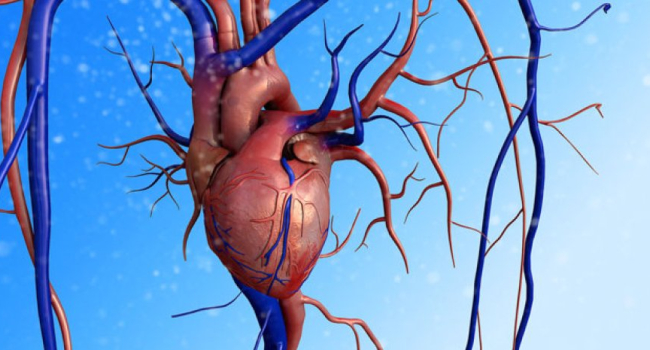
An Australian research team led by QIMR Berghofer has succeeded in introducing a vascular system into tiny living and beating model human heart muscles, an achievement which it's hoped will accelerate progress toward the ultimate goal of repairing damage from heart disease.
The findings, published in the journal Cell Reports, have also for the first time revealed the central role the vascular system plays in causing inflammation-driven injury of the heart muscle, which is important for several diseases that can cause heart injury including COVID-19.
The new vascularized tiny heart muscles, or organoids, more closely mimic the human heart and will allow much more accurate testing of new drugs to treat disease and inflammation, and take scientists a step closer to the holy grail of repairing heart tissue.
The team is focused on finding therapeutics to repair different types of heart damage. One of those is inflammation, which is the body's reaction to insults such as metabolic disease or COVID-19, causing the heart to stiffen so it fails to fully relax and fill with enough blood.