make preferable
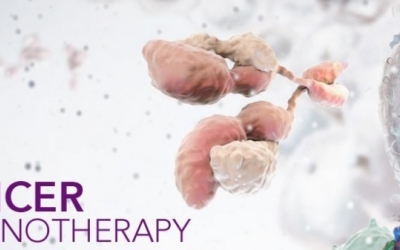
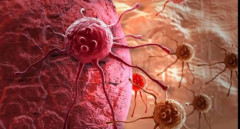
The method of combating cancer by turning the body's immune cells into targeted tumor killers was recognized the breakthrough of the year by the U.S. journal Science, Newsmax Health reports.
Immunotherapy has only worked for a small number of patients, and only in certain cancers, including melanoma and leukemia, but experts believe its promise is huge.
Research began in the late 1980s when French scientists discovered a receptor on T-cells, called CTLA-4, a molecule that turned out to play an important role in regulating the immune system.
A decade later, a Texas researcher showed that blocking CTLA-4 in mice "could unleash T-cells against tumor cells in the animals, shrinking them dramatically," the journal said.
As many as five big pharmaceutical companies are now on board with immunotherapy. A new drug made by Bristol Myers-Squibb was approved in 2011. Called ipilimumab, it costs $120,000 per treatment course.
Research in 2012 on a group of 300 people showed the drug shrunk tumors by half or more in 31 percent of patients with melanoma, 29 percent with kidney cancer and 17 percent with lung cancer.
One of those success stories is Emily Whitehead, now age eight. Last year she became the first pediatric patient to receive the experimental therapy for acute lymphoblastic leukemia (ALL).
"She is doing great. She is almost 20 months cancer free now. Her health has just been wonderful. She is completely back to normal, back to school full time," her mother, Kari, told AFP.
Emily was at the brink of death, and after two relapses doctors admitted they had no options. Their hope was suddenly revived when her family learned about the experimental T-cell therapy and agreed to try it.