make preferable
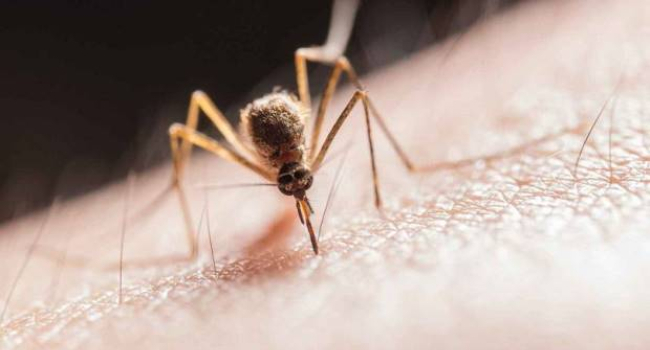
Cases of West Nile fever are becoming more common in Spain. Researchers are trying to understand why some people are asymptomatic and others die from the disease. Antonio's mother was perfectly healthy until this summer when she was bitten by a mosquito. She was hospitalized and diagnosed with West Nile fever. Ten days later, she passed away. “She started having severe headaches, vomiting,” Antonio says, ”she started to get confused, her speech became incoherent. Every day it became more and more difficult because more and more symptoms appeared.” The disease is not new and only 1% of those infected die from it. Jordi Figuerola knows this well: he has been studying the link between West Nile virus and mosquitoes in Spain for many years. Jordi Figuerola, CSIC researcher: “In 80% of cases, West Nile virus infection is asymptomatic. Despite this, there are a small number of severe infections that occur in young people without previous health problems, and we still don't know the reasons why the disease is almost asymptomatic in some people and leads to more severe cases in others.” The truth is that the presence of West Nile virus has already been detected in 16 countries in Europe. Especially in Greece, with 25 deaths and 162 cases. Italy follows with 13 deaths and 331 cases of infection. Spain has 71 confirmed cases and 7 deaths. Until now, the mosquito has been just an annoying visitor arriving with the heat every summer, but now it has become a real threat keeping people in fear. Locals have created their own platform and are calling for stricter measures against the virus and, above all, vaccinations. The vaccine is being worked on here at these IrsiCaixa laboratories in Barcelona and has received over five million euros in funding from the European Union to develop it. Jorge Carrillo, a researcher at IrsiCaixa: “We aim for a vaccine that is highly effective in preventing the development of the disease and also in preventing infection. We aim for a vaccine that embraces the diversity of the virus, because it is a virus that circulates around the world and nine different lineages of this virus have also been isolated. And above all we want it to work in those people who are at higher risk of developing severe disease. “We're talking about older people, and we're talking about people with somewhat weakened immune systems.” If all goes well, the vaccine could take three to eight years to develop.