make preferable
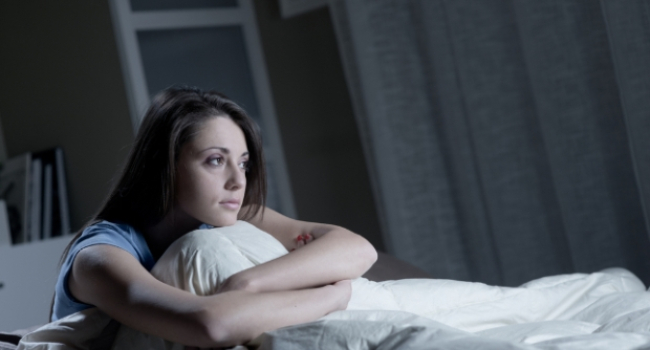
Environmental health experts at the University of Leicester combined measurements from activity monitors and self-reported sleep information for the first time to put together a more detailed picture of how aircraft noise impacts sleep, in the largest such study to date.
The results, published in Environmental Health Perspectives, show that people exposed to higher levels of night-time aircraft noise experienced more restlessness during sleep and disruption in daily sleep rhythm, even if they had a full night's sleep
The experts used the UK Biobank cohort study, a large UK study originally set up to examine links between genes and disease, to identify and analyze data from over 80,000 people living near four major airports (London Heathrow, London Gatwick, Manchester and Birmingham) in England.
To measure sleep, the researchers used wearable devices (similar in size to a watch) that tracked movement during sleep, a method called actimetry. Actimetry data were collected for approximately 20% of the participants between 2013 and 2015. Alongside this, they used responses to questionnaires collected between 2006 and 2013, in which people reported on their sleep quality, how long they slept, and whether they took daytime naps.
The aircraft noise each person was exposed to was estimated using noise maps created by the UK Civil Aviation Authority. The maps showed how loud the aircraft noise was (in decibels dB) in 2011 in areas around the airports and this was matched to where the participants lived. The sleep of those exposed to higher noise levels, defined as a night-time average of 55 dB or more, was compared with those exposed to less than 45 dB. The analyses took into account other factors that may affect sleep such as age, sex, ethnicity, income, physical activity, and environmental conditions.
Higher levels of night-time aircraft noise (55 dB or more) were associated with increased movement during sleep, which is a sign of sleep disruption. Participants exposed to high levels of noise also showed disrupted sleep-wake cycles, meaning their daily sleep rhythm was less regular.