make preferable
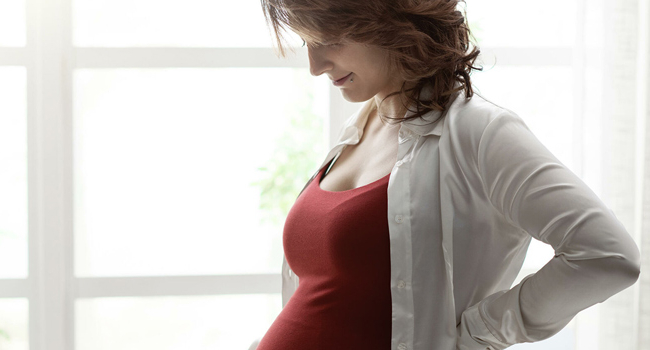
Researchers from the University of Newcastle (Australia) have found a link between women's asthma and their babies being born with autism spectrum disorder (ASD). Their respective study was published in the scientific journal Brain, Behavior, & Immunity - Health (BBI - Health).
The team found that the mother's expression of certain inflammatory genes contributed to the child's likelihood of autism in the first 12 months of life.
Common features of autism include difficulties with social interaction, repetitive behavior, and heightened sensitivity to sensory cues such as light or sound. There is an opinion that genetic, environmental, and immune factors contribute to autism.
The aforesaid researchers selected 24 mother-child pairs for their study. Participants submitted maternal blood samples during pregnancy and concluded with an early behavioral assessment of their infants.
RNA was taken from those samples, and the activity of 249 genes involved in inflammation was measured.
When the infants were 12 months old, the researchers used the parent-report First Year Inventory (FYI) tool to assess the likelihood of behavior related to autism.
FYI assesses early signs of autism in two important areas: social communication and sensory regulation. FYI infants with a score of 19.2 or higher were classified as having a high probability of autism.
Four of the 24 infants were found to have a high probability of behavior associated with autism, while the remaining 20 had a low probability.
Interestingly, mothers of babies in the high-probability group had activity of six inflammatory genes: CYSLTR2, NOX1, C1QA, CXCL10, C8A, and IL23R.
The researchers also found that two of those genes—the CYSLTR2 and the CXCL10—were definitely associated with the children's social communication difficulties, as measured by the FYI-scores.
In addition, two other genes—the ALOX5 and the MAFK—were linked to sensor regulation. It depends on them as to how children process and react to sensory impulses: sound, light, or touch.
The study points to a potential new way to predict the likelihood of autism during pregnancy, researchers said.