make preferable
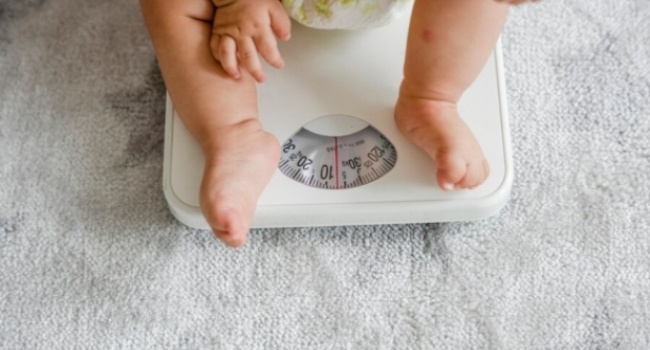
A study conducted in Brazil, with the participation of 89 "father-mother-child" trios, has showed that there is a connection between the excess weight of the father and the birth weight of his newborn: the higher the father's body mass index, the lower the child's birth weight. An article about this study was published in the International Journal of Obesity.
The obtained results confirm the idea that anthropometric problems are not solely the mother's responsibility, and that the father should also strive to lead a healthy lifestyle during his partner's pregnancy.
The weight of a child at birth is considered an important indicator of health not only in early childhood, but throughout life. Many studies have shown that babies who were born with low—or high—birth weight are at higher risk of death and developing non-communicable diseases later in life, such as type 2 diabetes, cancer, and cardiovascular disease.
This study was a follow-up to a clinical trial that examined the effects of nutrition counseling among 350 overweight pregnant women who visited state clinics for primary medical and sanitary care.