make preferable
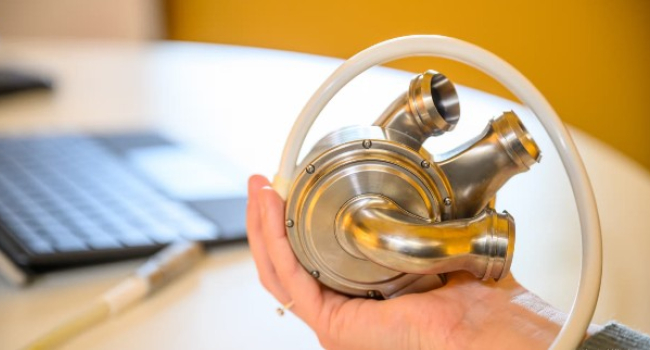
An Australian man with heart failure has become the first person in the world to walk out of a hospital with a total artificial heart implant, The Guardian reports.
The Australian researchers and doctors behind the operation announced on Wednesday that the implant had been an “unmitigated clinical success” after the man lived with the device for more than 100 days before receiving a donor heart transplant in early March.
The BiVACOR total artificial heart, invented by Queensland-born Dr. Daniel Timms, is the world’s first implantable rotary blood pump that can act as a complete replacement for a human heart, using magnetic levitation technology to replicate the natural blood flow of a healthy heart.
The implant, still in the early stages of clinical study, has been designed for patients with end-stage biventricular heart failure, which generally develops after other conditions—most commonly heart attack and coronary heart disease, but also other diseases such as diabetes—have damaged or weakened the heart so that it cannot effectively pump blood through the body effectively.
Every year more than 23 million people around the world suffer from heart failure but only 6,000 will receive a donor heart, according to the Australian government, which provided $50 million to develop and commercialize the BiVACOR device as part of the artificial heart frontiers program.
The implant is designed as a bridge to keep patients alive until a donor heart transplant becomes available, but BiVACOR’s long-term ambition is for implant recipients to be able to live with their device without needing a heart transplant.
The patient, a man in his 40s from New South Wales who was experiencing severe heart failure, volunteered to become the first recipient of the total artificial heart in Australia—and the sixth in the world.
The first five implants took place last year in the US and all received donor hearts before being discharged from hospital, with the longest time in between implant and transplant 27 days.
The Australian patient received the device on November 22 at St. Vincent’s hospital in Sydney in a six-hour procedure led by the cardiothoracic and transplant surgeon Paul Jansz.