make preferable
Women suffering from hot flashes or other menopause symptoms, have many treatment options -- hormonal or not, according to updated guidelines from the
It's estimated that anywhere from 50 percent to 82 percent of women going through menopause have hot flashes -- sudden feelings of extreme heat in the upper body -- and night sweats. For many, the symptoms are frequent and severe enough to cause sleep problems and disrupt their daily lives. And the duration of the misery can last from a couple years to more than a decade.
The guidelines, published in the January issue of Obstetrics & Gynecology, reinforce some longstanding advice: Hormone therapy, with estrogen alone or estrogen plus progestin, is the most effective way to cool hot flashes.
But they also lay out the growing evidence that some antidepressants can help, said Dr. Clarisa Gracia, an associate professor of obstetrics and gynecology at the
In studies, low doses of antidepressants such as venlafaxine (Effexor) and fluoxetine (Prozac) have helped relieve hot flashes in some women. And two other drugs -- the anti-seizure drug gabapentin and the blood pressure medication clonidine -- can be effective, according to the guidelines.
Hormone therapy is safer for relatively younger women who start using it soon after menopause, the report notes.
Experts now say that women should not take hormones to prevent any chronic ills. But when it comes to hot flashes, hormone therapy remains the most effective option.
Women who should not try hormones include those who've ever had breast cancer or a blood clot.
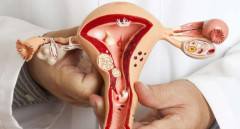
Hot flashes and night sweats are the most common menopause complaint. But vaginal dryness and pain during sex are also issues for many women.
The guidelines say that estrogen applied directly to the vagina -- in the form of creams, tablets or rings -- is effective. Very little of that estrogen gets into the bloodstream, so the risk of side effects is considered small.
And just this year, the FDA approved a new option for treating painful sex in postmenopausal women. It's a pill called ospemifene (Osphena), and it has estrogen-like effects on the lining of the vagina.
As for "natural" remedies, such as soy and black cohosh, studies have failed to prove they're effective for hot flashes and night sweats, the guidelines say.