make preferable
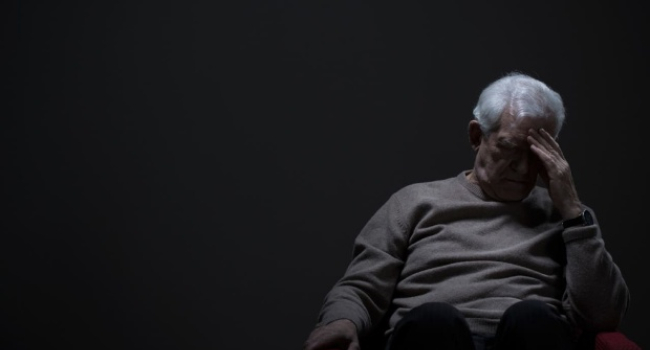
A new study, whose findings were published in the journal Nature Communications Medicine, has shown that people with multiple chronic physical conditions face a significantly higher risk of developing depression, Neuroscience News reports.
Researchers found that some combinations of illnesses—particularly cardiometabolic ones like diabetes and heart disease—could more than double the likelihood of a future depression diagnosis.
With multimorbidity—when patients live with two or more chronic conditions—continuing to put pressure on an already stretched healthcare system, experts say the findings highlight the need for integrated care models that address both mental and physical health.
Researchers from the University of Edinburgh used data from more than 142,000 people in the UK Biobank study to examine how physical illnesses interact to influence the risk of depression—a condition that often goes underdiagnosed in people managing long-term physical diseases.
Participants were aged 37-73 years and had at least one chronic physical condition, but no history of depression.
The researchers used statistical clustering techniques to group individuals by their physical illness profiles and tracked how these clusters related to later diagnoses of depression.
One group, which included people experiencing the highest rates of physical illness also showed the highest risk of developing depression. This group had no single dominant illness, but rather a complex mix of issues.
People with both heart disease and diabetes were also found to be at high risk, as were those with chronic lung conditions like asthma or COPD—chronic obstructive pulmonary disease. Liver and bowel conditions also showed a noticeable link to depression in both men and women.
Women with joint and bone problems, such as arthritis, were particularly affected, but this pattern was not as prominent for men.
In the highest-risk groups, about one in 12 people developed depression over the next 10 years, compared with about one in 25 people without physical conditions.