make preferable
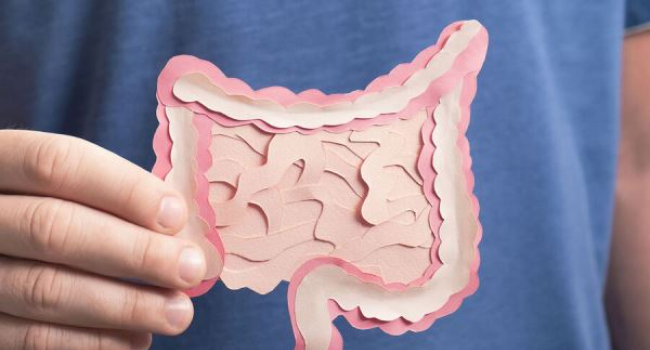
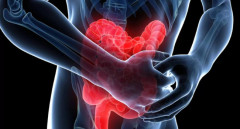
Researchers at the University of Birmingham have discovered a range of “biomarkers” that could help to improve detection and treatment of gastrointestinal diseases (GIDs) such as gastric cancer (GC), colorectal cancer (CRC), and inflammatory bowel disease (IBD). The results of the study were published in the Journal of Translational Medicine.
Modern methods of cancer diagnosis, such as endoscopy and biopsy, although effective, do not always enable detecting the disease at an early stage. They also remain invasive and often expensive.
Researchers have set out to simplify the detection of pathologies. To do this, they conducted a study in which healthy people and volunteers with gastrointestinal diseases participated. The participants' intestinal microbiomes were analyzed using artificial intelligence (AI) and machine learning algorithms.
The researchers found that colon cancer often increases the activity of bacteria from the Firmicutes, Bacteroidetes, and Actinobacteria groups. At the same time, the level of certain metabolites in the body increases, including dihydrouracil and taurine. Some of these are associated also with IBD, which indicates similar biological processes underlying the development of both diseases.
In the case of IBD, the Lachnospiraceae family plays a special role bacteria, as well as urobilin and glycerate metabolites, some of which are also involved in the development of cancer processes. In the case of colon and stomach cancer, the main markers were Fusobacterium, Enterococcus, isoleucine, and nicotinamide, which can also indicate cross-pathways in the development of diseases.
Also, the researchers modeled the growth of microorganisms and the movement of metabolites in the intestine, revealing significant differences between healthy and pathological states.
They saw that the same microbial and metabolic markers can be used to predict several gastrointestinal diseases at the same time, said the study’s lead author, Dr. Animesh Acharjee. According to him, this paves the way for the creation of universal non-invasive diagnostic systems that can radically change the approach to the detection and treatment of diseases of the digestive system.