make preferable
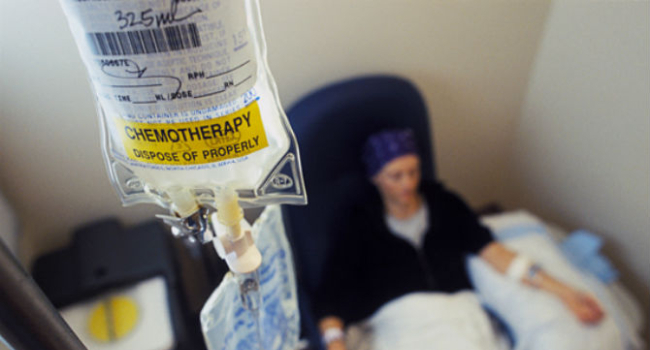
Chemotherapy seeks to destroy tumor cells and has been a standard treatment for cancer for decades. However, it doesn't always work, reports News Medical Life Sciences.
“Chemotherapy is good for some patients, but it's not effective in all cases. Between 20 and 50% of cancer patients don't respond to these drugs," explains Geoff Macintyre, head of the Computational Oncology Group at the Spanish National Cancer Research Centre (CNIO).
A team led by Macintyre, in collaboration with the University of Cambridge and Cambridge-based startup company Tailor Bio, has developed a method that predicts which patients will not respond to commonly used chemotherapy drugs, such as platinum-, taxane- and anthracycline-based chemotherapies.
"We have found a way to turn conventional chemotherapies into precision medicines" says Macintyre.
The work is published in the journal Nature Genetics.
The method developed by the CNIO team is based on the fact that many tumors accumulate changes in the number of chromosomes in their cells. One consequence, the researchers explain, is that "cancer cells do not have the correct amount of genetic material.”
These chromosome changes vary in each tumor, but together they form characteristic patterns, or signatures of chromosomal instability. The study now published develops biomarkers based on these signatures of chromosomal instability.
These biomarkers allow us to "detect in advance which patients are resistant to these treatments so that they can avoid unnecessary side effects", explains Macintyre.
The precise use of chemotherapy benefits not only patients, but the healthcare system as well by avoiding the cost of unnecessary treatment and complications related to therapy side effects.