make preferable
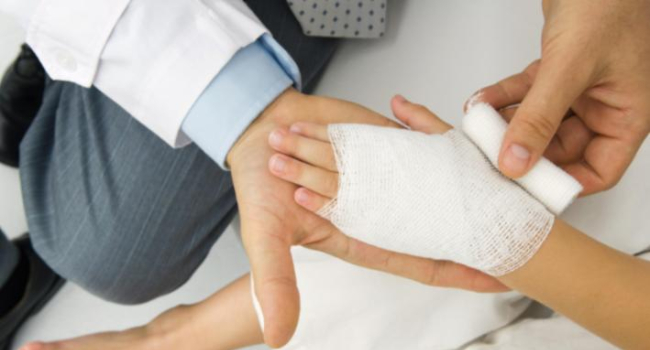
Scientists at Linköping University have developed an innovative gel containing living cells — a “skin-in-a-syringe” — that can be used for transplantation in burn treatment. The study results were published in Advanced Healthcare Materials (AHM).
In burn injuries, often only the top layer of skin — the epidermis — is transplanted. However, such transplants lead to coarse scarring because the deeper, more complex layer — the dermis — is missing. The dermis contains blood vessels, nerves, and hair follicles, which are essential for skin elasticity and full functionality.
Creating dermis in a laboratory is challenging because it consists of many different structures. The researchers proposed a solution: transplanting the “building blocks” — connective tissue cells (fibroblasts) — which are easy to grow in the lab and can transform into various types of cells depending on the body’s needs.
To achieve this, the cells were cultured on tiny gelatin beads, similar in composition to skin collagen. To ensure the gel with these beads stayed in place on the wound, the scientists mixed it with hyaluronic acid and bonded the components through a chemical reaction, producing a strong and easy-to-apply material — the “skin-in-a-syringe.”
In experiments, small plates made from this gel were 3D-printed and implanted under the skin of mice. The cells survived, began producing substances needed to form new dermis, and blood vessels developed within the transplants — an important step for tissue survival in the body.
According to the researchers, this material shows promise as an effective means of restoring fully functional skin in burn patients. However, additional studies are needed to confirm the effectiveness of the new method.