make preferable
The West Nile virus, which causes fever, was first discovered in Uganda in 1937. Until the end of the 20th century, it remained a “tropical” disease, but in 1999, the first case was recorded in New York, after which the fever became common in North America and later spread to Europe.
Doctors note that in recent years the clinical picture has changed, with the symptoms of the fever becoming increasingly severe, according to Euronews.
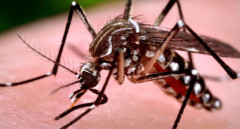
The disease is transmitted not only by mosquitoes, but also by some ticks; according to Johns Hopkins University, it can also be contracted through blood transfusions and organ transplants.
Climate change contributes to the spread of the virus: in the temperate climates of Europe, the fever has become common from mid-summer to early autumn.
Most people infected with TBE are usually asymptomatic, but one in five experience body aches, headaches, joint pain, vomiting, diarrhea, and rash.
In most cases, symptoms can be relieved with over-the-counter painkillers.
However, in about one percent of cases, there is a risk of serious complications such as encephalitis or meningitis. People over 60 with chronic diseases such as cancer, diabetes, high blood pressure, and kidney disease are most at risk for such complications.
Up to 10% of people with such complications die.
Doctors have yet to find effective methods of prevention and treatment, although some areas of research already look promising.
According to Johns Hopkins University, recovery can take several weeks or even months. Treatment currently consists mainly of rest, fluids, and fever reducers.
Prevention of the virus primarily involves standard mosquito protection measures (clothing, sprays, medications), as well as regional insect control programs, which have recently received significant attention in the EU.