
 make preferable
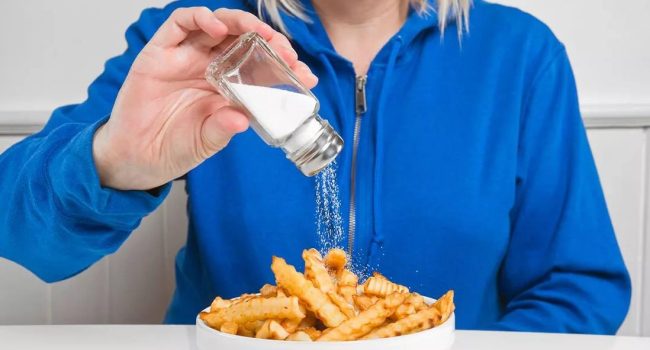
High salt intake can not only strain the kidneys, but also contribute to inflammation in the brain and increased blood pressure. This highlights the important role that not only salt intake, but also the brain can play in the development of hypertension.
A research team, including experts from McGill University in Canada, investigated how a high-salt diet affects the brain and ultimately contributes to high blood pressure. The results of the study are published in the journal Neuron.
The study was conducted on rats that were fed a high-salt diet. According to the researchers, such a diet is comparable to a human diet based on numerous semi-finished products, fast food, and sausages, Planet Today reports.
The researchers found that eating a high-salt diet in a specific area of the brain was associated with the activation of immune cells, triggering an inflammatory response. This led to the release of the hormone vasopressin, which is known to increase blood pressure.
“This is new evidence that hypertension can originate in the brain and paves the way for the development of treatments that target the brain,” explains study author Masha Prager-Haworski.
According to researchers, approximately one-third of people with hypertension do not respond to common medications that primarily affect blood vessels and kidneys. For these patients, the new study could be a game changer.
If the brain really plays a central role in the development of hypertension, new treatments targeting it may be developed in the future. The team plans to test whether similar mechanisms exist in other forms of hypertension.
Although the results were obtained in animal models, it can be assumed that similar mechanisms exist in humans, and thus the study provides a clear conclusion: moderate salt intake is an important factor in maintaining normal blood pressure, and the brain may be the key to more effective treatment of hypertension in the future.
To reduce salt intake, it is recommended to replace salt with fresh herbs or spices when cooking. Avoiding highly processed foods such as chips, instant noodles, or sausages can also make a significant contribution.





