make preferable

Researchers at Rockefeller University have found that the antioxidant glutathione plays a key role in breast cancer metastasis to the lungs. The study was published in the journal Cancer Discovery (CanDis).
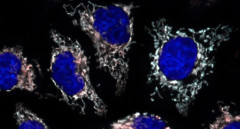
Mitochondria, known as the “powerhouses” of the cell, produce ATP—the primary source of energy—but their role in tumor growth and spread is increasingly recognized. The new study showed that glutathione—a molecule that normally protects cells from oxidative stress and supports immunity—helps cancer cells detach from the primary tumor, establish themselves in the lungs, and survive under harsh conditions.
The researchers used protein tagging and spatial metabolomics to track the distribution of metabolites in cells. They found that glutathione levels in metastatic cells were significantly higher than in the primary tumor. A key role was played by the transporter protein SLC25A39, which delivers glutathione into mitochondria. Blocking this pathway sharply reduced the cells’ metastatic ability.
The mechanism of metastasis was linked not to the antioxidant function of glutathione, but to the activation of the transcription factor ATF4, which helps cancer cells survive oxygen deprivation, especially during the early stages of lung colonization.
Analysis of clinical samples showed that patients with lung metastases had significantly higher levels of SLC25A39, and its elevated expression was associated with lower survival rates.
The researchers suggest that blocking the transport of glutathione into mitochondria could become a new, less aggressive approach to preventing breast cancer metastasis compared to traditional treatments.