
 make preferable
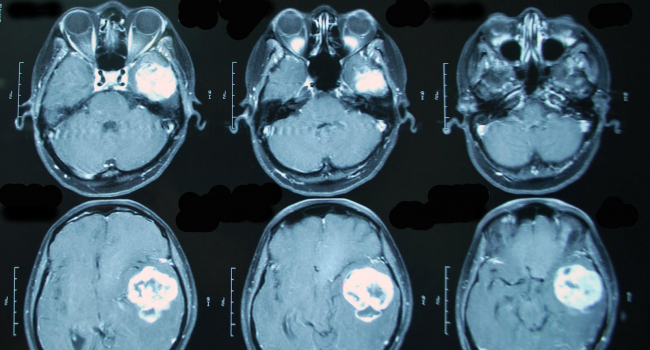
Scientists at the University of Michigan have discovered that malignant brain tumor cells (glioblastoma) can convert sugar into nucleotides, the building blocks for development and growth. The results of the study were published in the journal Nature.
To track metabolism, researchers injected specially labeled sugar into mice and patients with brain tumors. They found that healthy tissues convert glucose into energy and substances necessary for normal brain function. Glioblastoma cells redirected sugar to create nucleotides — the building blocks of DNA and RNA — which accelerated tumor growth and spread.
Scientists also found that in a healthy brain, sugar is used to produce amino acids, which are components of proteins. But in tumors, this process is “turned off,” and the necessary amino acids come directly from the blood. This led researchers to suggest that lowering the levels of certain amino acids in the blood could slow tumor growth without disrupting healthy brain function.
In experiments on mice, blocking the production of the amino acids serine and glycine enhanced the effect of radiation and chemotherapy: tumors shrank more than in animals on a normal diet.
The team is now preparing clinical trials to test whether specialized diets that lower blood serine levels can help fight glioblastoma.





