
 make preferable
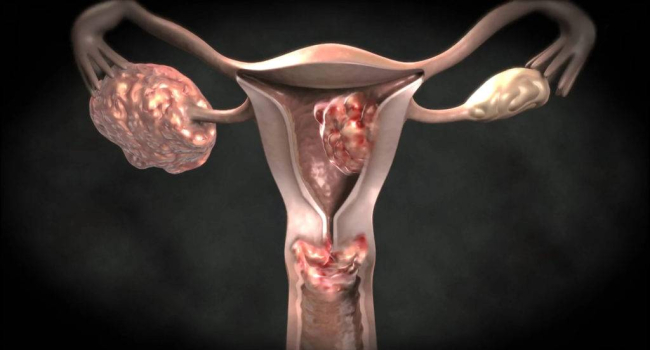
The breast cancer drug tamoxifen increases the risk of secondary tumors in the uterus by activating the PI3K signaling pathway. This conclusion was reached by scientists from the Massachusetts Institute of Technology and Harvard. The results of the study were published in the journal Nature Genetics (NatGen).
Tamoxifen has been used since the 1970s to treat estrogen receptor-positive breast cancer. Despite its high efficacy, in some women the drug increased the likelihood of secondary tumors in the uterus. The molecular mechanisms behind this phenomenon remained unclear for a long time.
The new study showed that in such cases, tumor development follows a different path than in spontaneous uterine cancer. Usually, a mutation in the PIK3CA gene that activates the PI3K signaling pathway is required to trigger growth. However, with tamoxifen therapy, mutations are not necessary — the drug itself can directly activate PI3K, thereby promoting tumor formation.
“Our results show for the first time that a drug can directly stimulate a signaling pathway associated with cancer development and explain how an effective anticancer agent paradoxically promotes tumor growth in another tissue,” said Professor Kirsten Kübler, who led the study.
The authors emphasize that the overall risk of developing uterine cancer while taking tamoxifen remains low, and the benefits of the drug significantly outweigh the possible complications. Nevertheless, the discovery helps to better understand the nature of side effects and may form the basis for the creation of safer and more personalized treatment regimens.
In the future, researchers plan to investigate whether similar mechanisms cause side effects in other anticancer drugs.





