make preferable
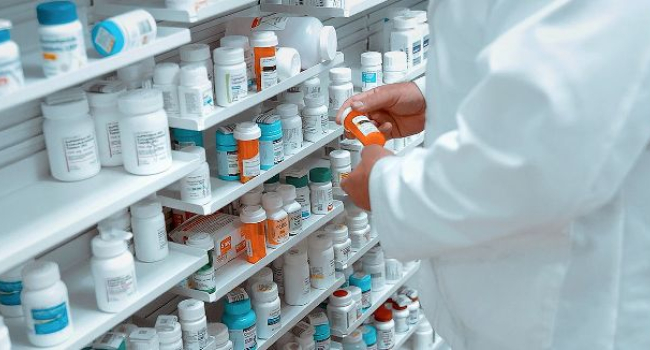
The shortage of medicines in EU countries is becoming increasingly acute and last year reached a record high, according to a report by the European Court of Auditors.
The problem, the document notes, is aggravated by the absence of a pan-European monitoring authority in this area and by significant differences in national legislation, reports Euronews.
Between 2022 and 2024, the European Medicines Agency (EMA) received reports of 136 cases of critical drug shortages. As of March this year, 34 medicines were in short supply, 16 of which are on the European Commission’s list of essential medicines.
Drugs end up on this list due to production issues, sudden spikes in demand, or a manufacturer’s decision to withdraw a product from the market — any factor that limits supply temporarily or permanently.
Among the medicines in deficit are vital drugs such as thrombolytics, the antibiotic amoxicillin, and antidotes for cyanide poisoning.
One of the main problems, according to the Court of Auditors, is the fragmentation of data on the availability of medicines and stock levels. Different countries impose different rules.
For example, in the Netherlands, drug manufacturers must notify the Ministry of Health at least two months in advance if expected supply delays exceed two weeks.
In neighboring Belgium, however, a manufacturer may wait until stocks are virtually depleted.
In practice, manufacturers notify only the national authorities, who later pass this information on to EU-level bodies. This reporting can be delayed or even lost altogether. Some countries, auditors noted, do not provide such information to Brussels at all.
The report states that the problem has been known for many years and that the EU has taken several serious steps, including adopting legislation on critical medicines — but the situation is not improving.
The auditors also stressed that these laws lack enforcement mechanisms — such as sanctions — that would allow the European Commission or EMA to ensure compliance with reporting obligations.